Lung Repair Supplements: Fact vs Hype for 2026
Quick Answer: Do Lung Repair Supplements Really Work?
Lung repair supplements cannot regrow or reverse damaged lung tissue, and any product promising that is overselling. What the best-supported nutrients can do is protect tissue, supply antioxidants and lower inflammation. Vitamin E, beta-carotene, omega-3s and vitamin D have the strongest evidence for supporting healthy lung function, not repairing structural damage.
- Realistic: support airway-lining tissue and calm inflammation.
- Not realistic: "regrowing" lungs or reversing scarring and emphysema.
- Top nutrients: vitamin E, beta-carotene, omega-3 fatty acids, vitamin D.
Search for lung repair supplements and you will find two very different worlds. One sells the dream of "regrown" or "detoxed" lungs in a bottle; the other, grounded in the research, talks about supporting tissue and lowering inflammation. This guide separates fact from hype so you can spend wisely. Interest is real — "vitamins for lungs repair" draws around 480 searches a month and "lung repair supplements" around 90 — which is exactly why the marketing has run ahead of the science.
Here is the honest headline up front: no supplement reverses structural lung damage. But several nutrients have legitimate roles in protecting the tissue that lines your airways and calming the background inflammation that makes breathing harder. Knowing the difference is what separates a smart buyer from a disappointed one.
What "repair" really means for your lungs
The word "repair" is where most of the confusion starts. Lungs do have some capacity to recover — the cilia that sweep mucus and debris can regrow, and the epithelial cells lining the airways turn over and renew. That is why quitting smoking pays real dividends over months and years. What lungs cannot do is regrow the alveoli lost to emphysema or undo established scarring (fibrosis). Those are structural changes, and no pill on the market reverses them.
So when a supplement is honest, "supporting repair" means giving your body the raw materials and the anti-inflammatory environment it needs to do its own maintenance well: antioxidants to blunt oxidative stress, nutrients for healthy epithelial cells, and fats that steer inflammation toward resolution. That is a real and worthwhile goal. "Regrowing your lungs" is not.
The nutrients with genuine evidence
Here is where the science actually supports supplementation — at sensible doses, ideally food-first.
Vitamin E: antioxidant protection for lung tissue
Vitamin E is a fat-soluble antioxidant that concentrates in cell membranes, where it helps protect lung tissue from the oxidative stress generated by pollution, smoke and normal metabolism. Observational studies have linked higher vitamin E status with better lung function. It will not rebuild anything, but as part of an antioxidant network it is a reasonable, well-tolerated nutrient for supporting healthy tissue. Food sources include nuts, seeds and vegetable oils.
Beta-carotene and vitamin A: for the airway lining
Beta-carotene, which the body converts to vitamin A, is important for maintaining healthy epithelial cells — the very cells that line and protect your airways. This is genuine, mechanistic support for the tissue barrier. There is a crucial safety caveat for smokers, which we cover below, so read on before reaching for a high-dose pill. For the full picture on dosing and the smoker caution, see our detailed look at vitamin A and lung health.
Omega-3 fatty acids: steering inflammation
Long-chain omega-3s from oily fish are the building blocks the body uses to make specialised molecules that help resolve inflammation. Diets richer in omega-3s and lower in ultra-processed fats are associated with lower systemic inflammation, which matters because chronic airway inflammation is a core driver of breathing difficulty. Omega-3s support a calmer inflammatory baseline rather than repairing tissue directly.
Vitamin D: the flare-up connection
Vitamin D is the nutrient with some of the most interesting recent respiratory data. A pooled analysis published in Lancet Respiratory Medicine found that correcting vitamin D deficiency reduced the rate of COPD flare-ups in people who were deficient to begin with. The effect was concentrated in those with low levels — it is about correcting a deficiency, not megadosing. That makes checking and correcting vitamin D one of the more evidence-backed moves in this whole category.
N-acetylcysteine (NAC): the antioxidant and mucus angle
NAC deserves a mention because it is one of the few supplements in this space with a genuine clinical footprint. It is a precursor to glutathione, the body's master antioxidant, and it has a long history as a mucolytic — an agent that helps thin and loosen mucus. Some trials in people with chronic bronchitis have reported modest reductions in flare-ups at higher doses. Even here, though, the framing stays honest: NAC supports antioxidant defence and mucus clearance, it does not rebuild damaged tissue. It can also interact with certain medications, so it is firmly a talk-to-your-clinician ingredient rather than a casual add-on.
Vitamin C: the airway-lining antioxidant
Vitamin C concentrates in the fluid lining the airways, where it acts as a first-line, water-soluble antioxidant against inhaled oxidants. Population studies link higher vitamin C intake with better measured lung function, and smokers — who burn through vitamin C faster — often run lower levels. It will not repair anything, but keeping status healthy is a sensible, low-risk piece of the puzzle. Citrus, peppers, kiwi and berries make it easy to get from food.
Where botanicals fit in
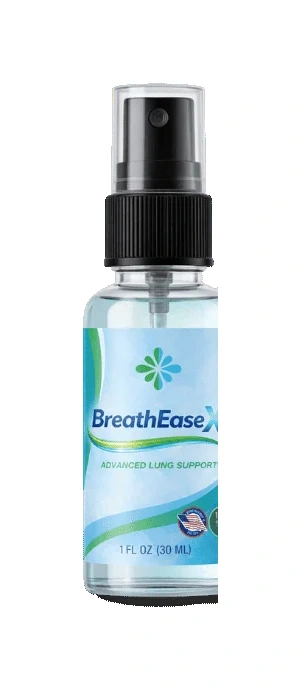
Beyond vitamins, herbal formulas occupy the "everyday comfort" corner of this space. Mullein has a long traditional history for soothing airways and loosening mucus, cordyceps is studied for oxygen use and stamina, and quercetin adds antioxidant and mast-cell activity. Breathe Ease X combines these three in a daily oral spray. That is legitimate botanical support for everyday breathing comfort — but note the framing: support, not repair. A well-formulated botanical is a reasonable layer on top of good nutrition and a smoke-free life, never a substitute for either. If you want the wider view of how to assemble a routine, our lung support supplement guide puts the pieces together.
Want a botanical layer for everyday breathing comfort?
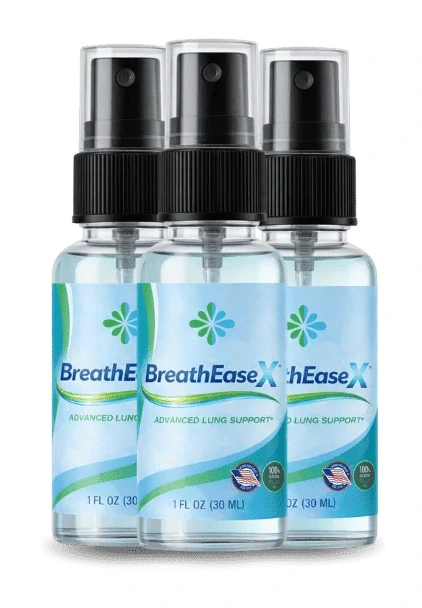
Breathe Ease X brings mullein, cordyceps and quercetin together in one daily spray — honest support to sit alongside a nutrient-rich diet, with a money-back guarantee.
See Breathe Ease XFact vs hype: three red flags to watch
The marketing in this niche gets creative. Here are the claims that should make you close the tab.
Hype: "Regrow your lungs" or "reverse damage"
This is the biggest tell. No supplement regrows alveoli or reverses fibrosis, full stop. When a product leans on before-and-after lung imagery or promises reversal, it is selling a story the science does not support. The honest version is "supports healthy lung tissue and function."
Hype: "Detox your lungs in days"
Your lungs already have a built-in cleaning system — the mucociliary escalator — and no pill "flushes out" tar or toxins on a schedule. Nutrients can support the tissue doing that work, but rapid "lung detox" claims are marketing, not physiology. Our companion piece on separating lung detox myths from facts digs into this in detail.
Hype: proprietary blends with hidden doses
If a label hides everything inside a "proprietary blend" without disclosing amounts, you cannot tell whether the useful ingredients are present at meaningful doses or just dusted in for the label. Favour products that disclose what is in them and how much. Transparency is a quality signal; secrecy is a warning sign.
How the evidence stacks up
| Nutrient | Realistic role |
|---|---|
| Vitamin E | Antioxidant that helps protect lung tissue from oxidative stress |
| Beta-carotene / vitamin A | Supports healthy airway-lining (epithelial) cells |
| Omega-3 fatty acids | Favours anti-inflammatory signalling and a calmer baseline |
| Vitamin D | Correcting deficiency cut COPD flares in deficient people (Lancet Resp Med) |
| Any nutrient | Cannot reverse emphysema, scarring or other structural damage |
How to choose a lung supplement without falling for hype
If you have decided a supplement belongs in your routine, a few simple filters keep you on the right side of fact versus hype. First, read the language: honest products say "supports" and "healthy lung function," while hype leans on "repair," "reverse" and "regrow." Second, insist on dose transparency — you want to see the actual amounts, not a mystery blend. Third, favour ingredients with human data at the dose used, rather than a long list of trendy extracts present in trace amounts. Fourth, check for third-party or GMP manufacturing standards, which speak to quality control even though they say nothing about efficacy.
Finally, match the product to a realistic goal. A vitamin D test and, if needed, correction is one of the highest-value moves. An antioxidant-rich diet does more heavy lifting than any capsule. And a botanical comfort formula is a reasonable extra layer if everyday breathing comfort is what you are after — provided you judge it over weeks, not days. Set the goal first, then choose the product, and the marketing loses most of its power over you.
Healing after quitting smoking: what actually helps
If you have recently quit smoking, the single most powerful thing you can do for your lungs is stay quit. Recovery is gradual: cilia and airway lining begin renewing within weeks to months, and measured lung function often improves across the first year, even though some structural changes are permanent. Supplements do not dramatically speed that clock, but an antioxidant-rich diet and correcting any deficiencies (vitamin D especially) support your body's own repair machinery. For a food-and-nutrient plan built for this situation, see our roundup of the best vitamins for smokers' lungs.
Medical note: this article is general information, not medical advice, and no supplement treats or reverses lung disease. Smokers should avoid high-dose beta-carotene supplements. If you have a persistent cough, wheeze or breathlessness, see a clinician, and talk to a healthcare professional before starting supplements, especially if you are pregnant, nursing, taking medication or managing asthma or COPD.
Frequently asked questions
Can supplements actually repair lung damage?
No supplement reverses structural lung damage such as emphysema or scarring. What certain nutrients can do is support the tissue that lines the airways, supply antioxidants, and help lower the background inflammation that makes breathing harder. That is genuine support for healthy lung function, not repair or regrowth, and marketing that promises regrown lungs is overselling the science.
Which vitamins help lung tissue recover?
The best-supported nutrients are vitamin E, which acts as an antioxidant protecting lung tissue from oxidative stress; beta-carotene and vitamin A, which support the epithelial cells lining the airways; omega-3 fatty acids, which favour anti-inflammatory signalling; and vitamin D, where trials in Lancet Respiratory Medicine linked correcting a deficiency with fewer COPD flare-ups. Food-first is the safest way to get most of them.
How long does it take lungs to heal after quitting smoking?
Recovery is gradual. Cilia and airway lining begin to recover within weeks to months of quitting, and lung function measures often improve over the first year, though some structural changes are permanent. Supplements do not speed this timeline dramatically, but an antioxidant-rich diet and correcting any nutrient deficiencies support the body's own repair processes while you stay smoke-free.
Are lung repair supplements safe for smokers?
Most are, but there is one important exception: high-dose beta-carotene supplements have been linked to a higher lung-cancer risk in smokers in the ATBC and CARET trials. Smokers should avoid high-dose beta-carotene pills and get their carotenoids from food instead. Otherwise, talk to a clinician before combining supplements with any medication, and treat quitting as the single most effective step.
Scientific references
- Lancet Respiratory Medicine — Vitamin D and COPD exacerbations
- NIH Office of Dietary Supplements — Vitamin E, vitamin A and omega-3 fact sheets
- National Cancer Institute — Beta-carotene and lung cancer (ATBC / CARET)
- American Lung Association — Lung health and recovery after quitting
- PubMed — Antioxidants and lung function studies
Related reading
Build your lung-support routine on honest ingredients
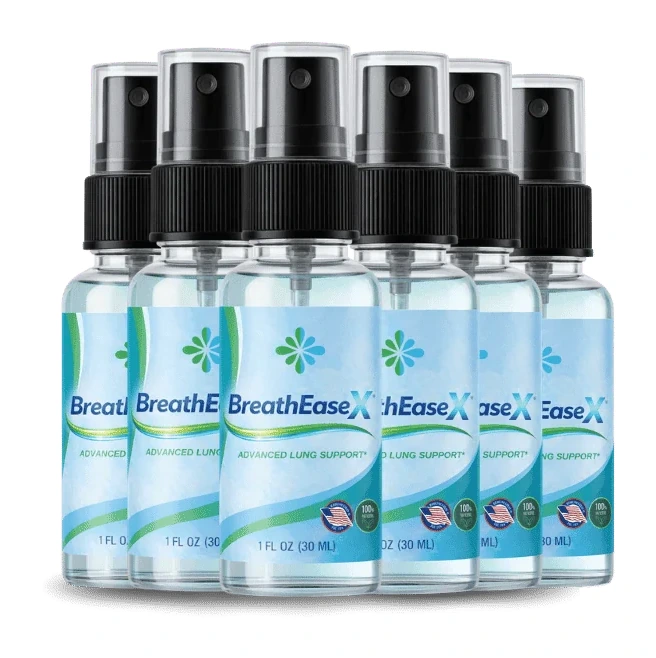
Pair a nutrient-rich diet with Breathe Ease X — mullein, cordyceps and quercetin in one daily oral spray, with every ingredient and its evidence laid out plainly.
Order Breathe Ease X