Vitamin A and Lung Health: What the Science Actually Says
Quick Answer: Is Vitamin A Good for Your Lungs?
Vitamin A genuinely supports lung health by maintaining the epithelial cells that line and protect the airways. A healthy status supports this tissue barrier, while deficiency weakens it. The key caveat: high-dose beta-carotene supplements raised lung-cancer risk in smokers, so favour food sources and normal amounts rather than megadoses.
- Role: supports the epithelial cells lining the airways.
- Smoker caution: avoid high-dose beta-carotene pills (ATBC / CARET trials).
- Daily need: ~900 mcg RAE for men, ~700 mcg RAE for women, food-first.
The connection between vitamin A and lung health is one of the more interesting and misunderstood topics in respiratory nutrition, which is why it draws around 590 searches a month. The short version: vitamin A really does matter for your airways, but the way you get it — and how much — changes the story completely. Get it from a colourful plate and you support healthy tissue; reach for a high-dose beta-carotene pill as a smoker and you may do harm. This guide walks through exactly what the science says.
We will cover why vitamin A matters for the airway lining, the critical smoker caution that came out of two large trials, how much you actually need, and the best food sources. As always, this is general information, not medical advice, and no nutrient treats a lung disease.
Why vitamin A matters for the airway lining
Vitamin A's central role in respiratory health comes down to epithelial cells — the specialised cells that form the lining of your airways, from your nose down through the bronchial tubes. This lining is a frontline barrier: it traps particles, moves mucus, and defends against irritants and pathogens. Vitamin A is essential for the normal growth, differentiation and maintenance of these epithelial cells. Without enough of it, that barrier becomes less robust.
This is well-established biology, not marketing. Vitamin A deficiency is associated with impaired epithelial integrity and reduced respiratory resilience, which is one reason deficiency is a serious global health concern. The practical takeaway for most people in developed countries, where outright deficiency is uncommon, is that maintaining a healthy vitamin A status supports the tissue doing the daily work of protecting your lungs. It is about supporting normal function, not supercharging it.
Vitamin A and the respiratory immune barrier
There is a second reason vitamin A matters for your lungs, beyond building the physical lining: it helps regulate the immune defences of the respiratory tract. Vitamin A is sometimes called an "anti-infective" vitamin because of its role in maintaining mucosal immunity — the layer of defence at the surfaces where your body meets the outside world, including the airways. It supports the production of mucus and the function of the immune cells patrolling those surfaces, which together form part of your first line of defence against inhaled particles and pathogens.
This is why vitamin A deficiency is associated with greater susceptibility to respiratory infections in populations where deficiency is common. The nuance, again, is that correcting a deficiency restores normal defence; it does not mean piling on extra vitamin A makes a well-nourished person's immune barrier stronger than baseline. Nutrition supports the system when something is missing; it is not a dial you can turn past normal for a bonus.
Preformed vitamin A vs beta-carotene: an important difference
"Vitamin A" is really two things, and the distinction matters enormously for lung health. Preformed vitamin A (retinol) comes ready-made from animal foods like liver, eggs and dairy. Provitamin A carotenoids — chiefly beta-carotene — come from plants, and your body converts them to vitamin A as needed. That conversion is self-regulating, which is part of why beta-carotene from food is generally safe: your body simply converts less when it has enough.
The trouble starts with high-dose beta-carotene supplements, which bypass the gentle, food-based route and flood the system. That is where the most important safety lesson in this whole topic comes from.
The smoker beta-carotene caution you must know
In the 1990s, two large trials set out to test whether beta-carotene supplements could protect against lung cancer. The results were the opposite of what researchers hoped. The ATBC study (in Finnish male smokers) and the CARET study (in smokers and asbestos-exposed workers) both found that high-dose beta-carotene supplements were associated with a higher rate of lung cancer. CARET was stopped early because the harm signal was clear enough that continuing was not ethical.
The leading explanation is that in the high-oxidative environment of a smoker's lungs, large amounts of supplemental beta-carotene may behave in unexpected, pro-oxidant ways. Whatever the exact mechanism, the practical rule is unambiguous: smokers and former smokers should not take high-dose beta-carotene supplements. Importantly, this warning applies to isolated, high-dose pills — not to beta-carotene from eating carrots, sweet potato and spinach, which has never shown the same risk. If you smoke or recently quit, our guide to the best vitamins for smokers' lungs covers which nutrients are safe and which to avoid.
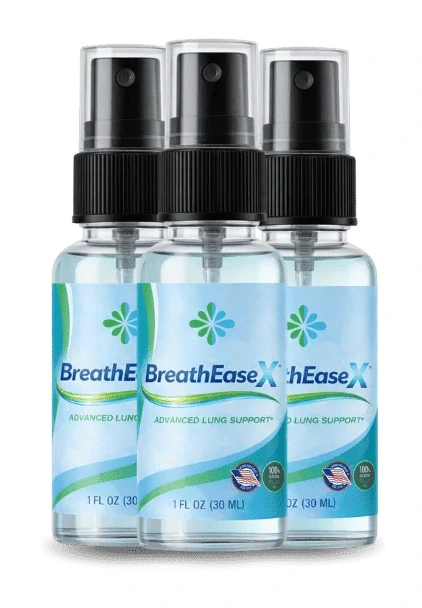
Prefer botanical support alongside a nutrient-rich diet?
Breathe Ease X pairs mullein, cordyceps and quercetin in one daily oral spray — a food-friendly comfort layer with every ingredient and its evidence laid out, backed by a money-back guarantee.
Explore Breathe Ease XHow much vitamin A do you actually need?
The recommended daily allowance is about 900 micrograms RAE for adult men and 700 micrograms RAE for adult women (RAE stands for retinol activity equivalents, a way of accounting for the different potency of retinol and carotenoids). Most people eating a varied diet meet this comfortably without a supplement.
There is also a ceiling worth respecting. The tolerable upper intake level for preformed vitamin A (retinol) is 3,000 micrograms per day for adults. Chronically exceeding that — almost always via supplements or very high liver intake, not ordinary vegetables — can cause toxicity, affecting the liver, bones and, in pregnancy, the developing baby. This is the classic case where more is not better. Beta-carotene from food does not carry the same upper-limit concern, because conversion is regulated, though skin can turn slightly orange at very high intakes (harmless and reversible).
Vitamin A at a glance
| Key figure | Detail |
|---|---|
| RDA (men) | ~900 mcg RAE per day |
| RDA (women) | ~700 mcg RAE per day |
| Upper limit (preformed) | 3,000 mcg retinol per day for adults |
| Lung role | Maintains healthy airway epithelial (lining) cells |
| Smoker caution | Avoid high-dose beta-carotene supplements (ATBC / CARET) |
The best food sources of vitamin A for your lungs
Because food is the safest route, this is where to focus. Preformed vitamin A is concentrated in liver, eggs and dairy, so a modest amount of these covers a lot of ground (liver is so rich that pregnant women are advised to limit it). For beta-carotene, think colour: sweet potato, carrots, pumpkin and butternut squash for the oranges; spinach, kale and other dark leafy greens; and red peppers and tomatoes. A useful tip is that carotenoids are fat-soluble, so eating them with a little healthy fat — olive oil on roasted vegetables, for instance — improves absorption.
Building meals around these colourful plants gives you vitamin A the way your body prefers it, alongside a spread of other lung-friendly antioxidants. For a broader plate-based strategy, our guide to anti-inflammatory foods for healthier lungs shows how vitamin A foods fit into the bigger picture.
Signs of low vitamin A and who is most at risk
In wealthier countries, outright vitamin A deficiency is uncommon, but certain groups are more vulnerable and worth flagging. People with fat-malabsorption conditions — such as cystic fibrosis, coeliac disease, or after certain types of bariatric surgery — may struggle to absorb this fat-soluble vitamin even on a good diet. Very restrictive diets that exclude both animal foods and colourful vegetables can also fall short over time. The classic early sign of deficiency is trouble seeing in dim light (night blindness), because vitamin A is essential for the light-sensing cells in the eye, and dry skin or dry eyes can follow.
If any of that describes you, the answer is not to self-prescribe a high-dose pill but to ask a clinician, who can test your levels and advise on a safe, appropriately dosed correction. For most other people, the takeaway is simpler and reassuring: eat colourfully and consistently, and your vitamin A status — and the airway lining it supports — largely takes care of itself.
Vitamin A works as part of a team
One last piece of context keeps expectations honest: no single nutrient carries lung health on its own. Vitamin A maintains the airway lining, but vitamin C provides antioxidant defence in the airway surface fluid, vitamin E protects cell membranes, vitamin D supports immune regulation, and omega-3 fats steer inflammation toward resolution. These nutrients work as a network, which is exactly why a varied, colourful, minimally processed diet consistently outperforms any solo supplement in the research. Thinking in terms of an overall pattern — rather than chasing one hero nutrient — is the most evidence-aligned way to support your breathing over the long run.
Where supplements and botanicals fit
For most non-smokers with a varied diet, a dedicated vitamin A supplement is unnecessary and, at high doses, risky. If you suspect a deficiency — or you are managing a condition that affects absorption — that is a conversation for a clinician who can test and advise, not a reason to self-prescribe megadoses. Where botanicals like Breathe Ease X come in is a different lane entirely: everyday breathing comfort from mullein, cordyceps and quercetin, designed to sit alongside good nutrition rather than replace it. Neither vitamins nor botanicals treat lung disease; both are support layers on a foundation of not smoking, clean air and a colourful diet.
Medical note: this article is general information, not medical advice. Vitamin A does not treat any lung condition, and high-dose beta-carotene supplements can raise lung-cancer risk in smokers. Do not exceed the upper intake limit, and talk to a healthcare professional before starting any supplement, especially if you are pregnant, nursing, taking medication, or managing asthma or COPD.
Frequently asked questions
Is vitamin A good for your lungs?
Yes, vitamin A plays a genuine role in lung health because it helps maintain the epithelial cells that line and protect the airways. A healthy vitamin A status supports this tissue barrier, and deficiency is linked with poorer respiratory resilience. That said, more is not better: vitamin A supports normal function rather than boosting the lungs beyond their baseline, and megadoses carry risks.
Should smokers avoid beta-carotene supplements?
Yes. High-dose beta-carotene supplements were linked to a higher risk of lung cancer in smokers in two large trials, ATBC and CARET, which were actually stopped early because of the harm signal. Smokers and former smokers should avoid high-dose beta-carotene pills and get their carotenoids from food instead, where beta-carotene from fruit and vegetables has not shown the same risk.
How much vitamin A do you need for lung health?
The recommended daily allowance is about 900 micrograms RAE for adult men and 700 micrograms RAE for adult women. Most people can meet this through a varied diet without a supplement. The tolerable upper limit for preformed vitamin A (retinol) is 3,000 micrograms per day, and going far above it, especially from supplements, can be toxic, so food-first is the safest approach for lung and overall health.
What foods give you vitamin A for the lungs?
Preformed vitamin A comes from animal foods such as liver, eggs and dairy, while beta-carotene that the body converts to vitamin A comes from orange and dark-green produce: sweet potato, carrots, pumpkin, spinach, kale and red peppers. Building meals around these colourful vegetables gives you carotenoids safely, which is the preferred route for supporting the airway lining, especially for smokers.
Scientific references
- NIH Office of Dietary Supplements — Vitamin A fact sheet (RDA and upper limits)
- National Cancer Institute — Beta-carotene, ATBC and CARET trials
- PubMed — Vitamin A and airway epithelial cell studies
- American Lung Association — Nutrition and lung health
- World Health Organization — Vitamin A deficiency
Related reading
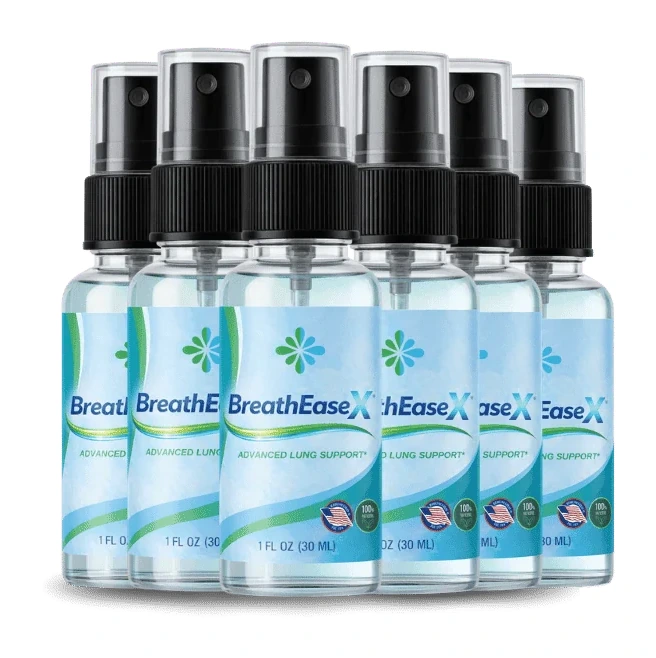
Support your airways from the inside out
A vitamin A-rich plate plus Breathe Ease X — mullein, cordyceps and quercetin in one daily oral spray, with every ingredient and its evidence laid out plainly.
Order Breathe Ease X