Best Vitamins for Smokers' Lungs
What Are the Best Vitamins for a Smoker's Lungs?
For a smoker's lungs, food-first vitamin C and vitamin E, plus vitamin D, have the most supportive evidence, while moderate vitamin A helps tissue maintenance. Critically, avoid high-dose beta-carotene and vitamin A supplements — large trials link them to higher lung cancer risk in smokers. Quitting matters more than any vitamin you can buy.
- Best supported: vitamin C, vitamin E and vitamin D, ideally from food.
- Avoid: high-dose beta-carotene and vitamin A — a real cancer-risk flag for smokers.
- What matters most: quitting drives recovery; vitamins and botanicals only complement it.
If you smoke or recently quit and you are searching for the best vitamins for smokers' lungs, you are asking a genuinely good question — but it comes with a warning label most articles bury. Some vitamins do gently support lung tissue and antioxidant defense. A couple of others, taken as high-dose supplements, have actually been shown to raise lung cancer risk in smokers. So this guide is deliberately cautious: it covers what the evidence supports, flags what to avoid, and is honest that no vitamin, herb or spray reverses smoking damage. That job belongs to quitting.
We will keep the framing food-first and moderate throughout, because that is where the science points. Fruit, vegetables, nuts, seeds and oily fish deliver these nutrients in balanced amounts your body handles well. Megadose pills are where smokers get into trouble. With that principle set, here is what actually helps a smoker's or ex-smoker's lungs.
The best vitamins for smokers' lungs, by the evidence
Vitamin C. This is the standout. A 2021 systematic review linked higher vitamin C intake with better measures of lung function, and smokers are known to run lower on it because tobacco smoke increases oxidative stress and burns through antioxidants faster. Vitamin C is water-soluble, hard to overdo from food, and abundant in citrus, berries, peppers, kiwi and leafy greens. For most smokers, closing a vitamin C gap through diet is one of the safest, best-supported moves available.
Vitamin E. A fat-soluble antioxidant that helps protect cell membranes, including in lung tissue, from oxidative damage. The evidence is more modest than for vitamin C, and — importantly — the benefit is tied to food-level intake, not megadoses. Nuts, seeds, sunflower oil and leafy greens are ideal sources. High-dose vitamin E pills have their own cautions, so this is a food-first nutrient too.
Vitamin D. Low vitamin D is common and has been associated with poorer respiratory outcomes, so keeping your level in a healthy range is a sensible foundation for anyone, smokers included. Sunlight, oily fish and fortified foods are the main sources, and a moderate supplement to correct a genuine deficiency is reasonable — ideally guided by a blood test. We cover this nutrient in depth in our guide to vitamin D and respiratory wellness.
Vitamin A (from food, in moderation). Vitamin A supports the maintenance of the epithelial tissue that lines your airways, so an adequate intake matters. The crucial word is adequate, not high-dose. Get it from food — eggs, dairy and orange and green vegetables — and read the next section carefully before you reach for any A or beta-carotene pill, because this is exactly where smokers must be careful.
The critical warning: vitamins smokers must not megadose
This is the section to read twice. It is intuitive to assume that if antioxidants are good, more must be better — but for smokers, two large clinical trials proved the opposite, and the finding is important enough that it changed public-health advice.
High-dose beta-carotene and vitamin A. The CARET trial (Beta-Carotene and Retinol Efficacy Trial) and the ATBC trial (Alpha-Tocopherol, Beta-Carotene) both tested high-dose beta-carotene in people at high risk of lung cancer, including current and former smokers. Instead of protecting them, high-dose beta-carotene was associated with a higher rate of lung cancer. CARET was actually stopped early because of the harm signal. The practical takeaway is blunt: current and former smokers should not take high-dose beta-carotene or high-dose vitamin A supplements. Food-level amounts from a normal diet are fine and beneficial; isolated megadose pills are the danger.
Very high-dose B6 and B12. More recent research has tied long-term, high-dose vitamin B6 and B12 supplementation to increased lung cancer risk specifically in male smokers. This does not mean a normal multivitamin or dietary B vitamins are a problem — it means smokers should be wary of standalone high-dose B6/B12 products taken for years. Again, the pattern is the same: food and moderate doses, not megadoses.
Safety flag: if you smoke or used to smoke, do not take high-dose beta-carotene, high-dose vitamin A, or long-term high-dose B6/B12 supplements without medical guidance. The evidence links them to higher lung cancer risk in smokers. Prefer a food-first diet, and check with a clinician before megadosing any single nutrient.
Food first, then fill the real gaps
Notice the through-line: every safe recommendation here starts with food. That is not a cop-out — it is the actual finding. Nutrients delivered together in fruit, vegetables, nuts, seeds and fish come with fibre, other antioxidants and natural dose limits that isolated pills lack. A colourful plate is genuinely the best "lung vitamin" strategy for a smoker, and it is why our roundup of anti-inflammatory foods for your lungs is worth pairing with this article.
Supplements still have a role: to fill a gap you cannot close with food, ideally a gap you have confirmed. A moderate vitamin C supplement if your intake is genuinely low, or a vitamin D supplement to correct a tested deficiency, are reasonable, low-risk choices. What is not reasonable is a shelf of high-dose single nutrients bought on the theory that more is better. For smokers especially, that theory has been tested and it failed.
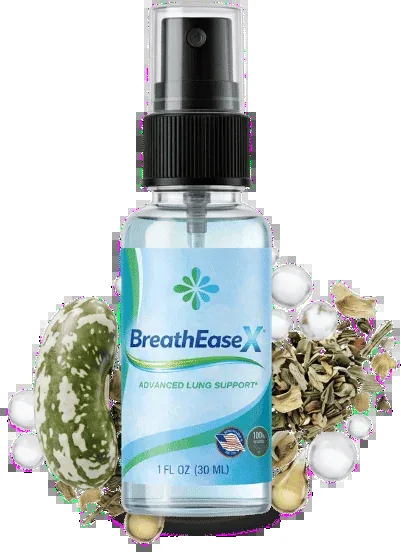
Looking for gentle, everyday airway comfort while you rebuild? Breathe Ease X is a botanical oral spray — mullein, marshmallow root, ginger, cordyceps and peppermint — framed as soothing, non-detox support to sit alongside quitting, not replace it. See Breathe Ease X on the official store
What actually drives recovery after you quit
Here is the encouraging part, and it dwarfs anything in a supplement bottle. Your lungs begin to recover almost as soon as you stop smoking. Within days, the cilia — the tiny hair-like sweepers that clear your airways — start regaining function that smoke had suppressed. Over the following weeks and months, that clearance keeps improving, which is why many quitters notice less coughing and congestion over the first season. Most measurable improvement in lung function happens within the first year after quitting, though the exact timeline depends on how long and how heavily you smoked, and some changes continue for years.
No vitamin accelerates this in a way good studies have demonstrated. What vitamins and botanicals can do is support you at the margins — antioxidant defense, tissue maintenance, a soothed throat — while your body does the real work. If congestion is your main complaint during this window, our practical guide to clearing lung mucus naturally covers hydration, steam, movement and breathing exercises that genuinely help the cilia along.
Where botanicals like Breathe Ease X fit
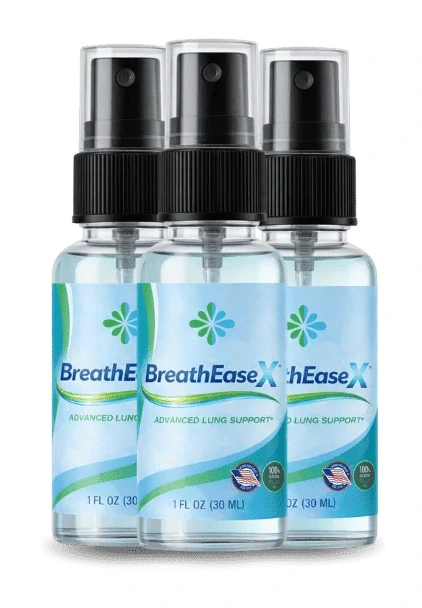
Once the vitamin picture is clear, where does a respiratory botanical belong? In a modest, honest supporting role — a complement to quitting, hydration and breathing exercises, never a substitute for them. Breathe Ease X is a botanical oral spray built around mullein and marshmallow root (soothing, demulcent herbs for a scratchy airway), ginger (anti-inflammatory plant compounds), cordyceps and astragalus (adaptogen and immune-tone support), and peppermint (menthol for an immediate fresh, open sensation). For a former smoker who wants a low-friction daily comfort habit that layers on top of good nutrition, that is a reasonable thing to try — provided the expectations stay grounded.
What it is not: a lung repair kit, a detox, or anything that offsets continued smoking. If you are still smoking, the single most valuable step by an enormous margin is getting support to quit, and no spray or vitamin changes that. If you want to see how we treat the whole "cleanse" category honestly, our guide to what a lung detox cleanse can and can't do lays out the same complement-not-cure logic.
Three honest answers to common objections
"I've smoked for years — can vitamins undo it?" No, and any product implying otherwise is misleading you. Vitamins support tissue maintenance and antioxidant defense; they do not reverse structural damage. The good news is that quitting drives real recovery on its own, and that is where your energy pays off most.
"Aren't more antioxidants always safer for smokers?" This is the exact assumption CARET and ATBC disproved. For smokers, high-dose beta-carotene raised risk rather than lowering it. Balanced, food-level antioxidants help; isolated megadoses can harm. It is one of the clearest "more is not better" lessons in nutrition.
"Should I bother if I can't quit right now?" Food-first vitamin C, D and E and a soothing botanical are still low-risk and reasonable, and improving nutrition is never wasted. But be honest with yourself that they are holding actions, not solutions, while smoking continues — and keep a quit plan in view with your clinician.
Medical note: this article is general information, not medical advice, and no vitamin or supplement diagnoses, treats, cures or prevents disease. Smokers and former smokers should be especially cautious with high-dose supplements. Talk to a clinician before starting any supplement, and seek assessment for a persistent cough, breathlessness, chest pain or coughing up blood.
Frequently asked questions
What vitamins are best for a smoker's lungs?
For a smoker's lungs, the best-supported options are vitamin C, which a 2021 systematic review linked to better lung function, plus vitamin E and vitamin D for antioxidant defense and tissue maintenance. The key is getting them food-first and at moderate doses. Fruit, vegetables, nuts and oily fish do more than megadose pills, and they avoid the risks tied to high-dose supplements in smokers.
Can vitamins repair lung damage from smoking?
No. Vitamins can support tissue maintenance and antioxidant defense, but they cannot repair or reverse the structural damage that smoking causes. The most meaningful recovery comes from quitting itself, and most measurable improvement in lung function happens within the first year afterward. Treat vitamins and botanicals as a modest complement to quitting, hydration and breathing exercises, never as a repair kit.
Which supplements should smokers avoid?
Smokers and former smokers should avoid high-dose beta-carotene and high-dose vitamin A supplements. Large trials, CARET and ATBC, found these actually raised lung cancer risk in this group rather than lowering it. Very high doses of B6 and B12 have also been tied to higher risk in male smokers. The safe approach is food-first nutrition and moderate doses, and checking with a clinician before megadosing anything.
How long do lungs take to recover after quitting smoking?
Recovery begins within days, and the cilia that clear your airways start working better over the first weeks and months. Most measurable improvement in lung function happens within the first year after quitting, though the timeline varies with how long and how much you smoked. Some changes continue for years. Vitamins and botanicals may support comfort along the way, but quitting is what drives the recovery.
Scientific references
- PubMed — 2021 systematic review of vitamin C and lung function
- National Cancer Institute — Beta-carotene (CARET) fact sheet
- CDC — Smoking and tobacco use, benefits of quitting
- NIH Office of Dietary Supplements — Vitamin A
- NIH Office of Dietary Supplements — Vitamin C
- American Lung Association — Benefits of quitting smoking
Related reading
Support the comfort side while quitting does the rest
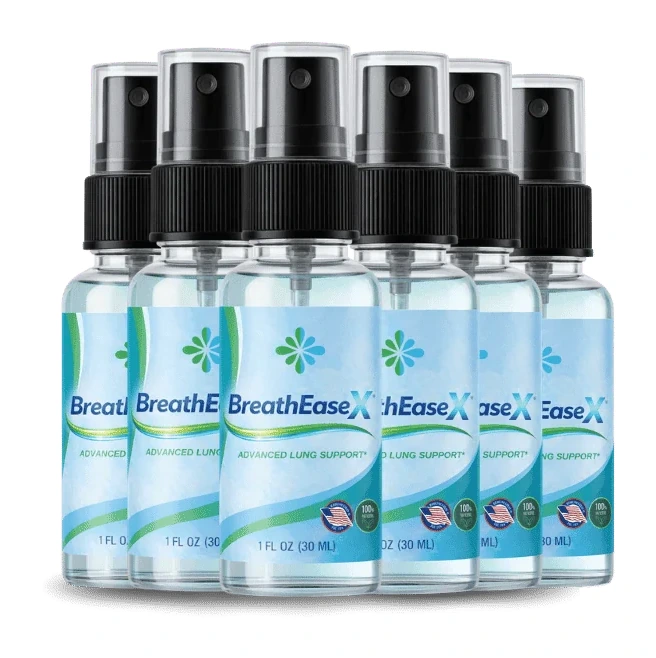
See how Breathe Ease X frames its six named botanicals as gentle, everyday respiratory comfort — a complement to quitting, hydration and good nutrition, never a substitute.
Order Now