Lung Detox Cleanse: What Actually Works
Does a Lung Detox Cleanse Actually Work?
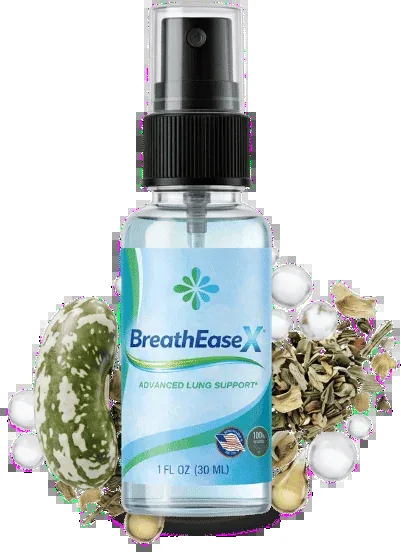
Your lungs already clean themselves through mucus and hair-like cilia, so no cleanse flushes toxins from lung tissue. A lung detox cleanse cannot do that. What genuinely helps is removing exposure, staying hydrated, and using soothing, antioxidant-rich botanicals like Breathe Ease X for everyday comfort while your airways clear on their own.
- The myth: a cleanse flushes tar and toxins out of your lungs.
- The biology: the mucociliary escalator clears the airways for free.
- The honest support: less exposure, more hydration, soothing botanicals, patience.
Type lung detox cleanse into a search bar and you will unleash a flood of promises: three-day resets, "smoker's lung" teas, detox drinks, cleanse capsules and salt-cave sessions that claim to flush years of buildup out of your chest. It is one of the most-searched respiratory phrases on the internet, and it is easy to see why. The mental picture — pouring something in, washing the gunk out — feels intuitive and hopeful, especially for former smokers or anyone breathing polluted city air.
Here is the honest version, and it is the one worth building a routine around. A lung detox cleanse cannot literally flush toxins out of your lungs, because that is not how the organ works. What you actually have is a self-cleaning system that runs day and night, and a handful of habits and supportive botanicals that help it do its job more comfortably. This guide separates the marketing from the mechanism, then shows where a well-made respiratory formula like Breathe Ease X honestly fits.
Why "lung detox cleanse" is such a magnetic search
The appeal is emotional before it is logical. If you spent a decade smoking, or you commute through smog, or you just recovered from a nasty chest infection, the idea that you might reset your lungs is deeply reassuring. Marketers know this, and the language leans hard into it: "flush," "purge," "cleanse," "detox." Those words imply a drain you can rinse and a switch you can flip. Both the American Lung Association and consumer-health resources such as WebMD have addressed the trend directly, and their conclusion is consistent: you cannot literally detox your lungs, but you can absolutely support them. That distinction is the entire game.
Some of what gets bundled into a lung detox cleanse is genuinely good advice — drink more water, move your body, avoid smoke, improve your indoor air. The problem is the headline claim stapled on top: that swallowing something washes your airways clean. When the promise outruns the biology, your money and effort drift to the wrong place. So let's be precise about what a cleanse can and cannot do.
What a lung detox cleanse can and cannot do
Start with the hard limit. Nothing you drink or swallow travels down into deep lung tissue to rinse it. Fluids move through your digestive tract and bloodstream, not into the airways. So the image of a detox drink "washing away" tar simply does not map onto any real pathway in the body. A lung detox cleanse cannot remove particles from lung tissue, cannot reverse structural damage, and cannot substitute for stopping the exposure that caused the problem in the first place.
What a thoughtfully formulated product can do is more modest and more honest. It can soothe a dry, scratchy throat and upper airway. It can add to your daily fluid intake. It can supply plant compounds that contribute to your everyday antioxidant defenses. And, by being a pleasant habit you actually keep, it can nudge you toward the hydration and self-care that genuinely support your natural clearance system. That is support, not detoxification — and it is worth having, as long as you are not paying for a promise that cannot be kept. If you want the full breakdown of the hype, our companion piece on lung detox myths versus the facts takes the common claims apart one by one.
How your lungs actually clean themselves
The airways are lined with one of the most elegant clean-up mechanisms in the body, often called the mucociliary escalator. A thin blanket of mucus traps dust, smoke particles, pollen and microbes the moment you inhale them. Beneath that mucus sit millions of microscopic hair-like structures called cilia, beating in coordinated waves many times per second. Together they move trapped debris steadily upward toward the throat, where it is swallowed or cleared without you ever noticing. Deeper down, specialized immune cells called macrophages engulf anything that slips past the mucus.
This runs continuously, at no cost, with no supplement required. When people talk about "cleaning" their lungs, this system is what is actually doing the work. The single most useful thing you can do is avoid overwhelming it — and avoid the one thing famous for paralysing it, which is tobacco smoke. Smoke temporarily stuns the cilia, lets debris accumulate, and is precisely why quitting matters more than any product. If your main frustration is congestion rather than toxins, our practical guide to clearing lung mucus naturally covers hydration, steam and movement in more detail.
The real weakness of most cleanse products
Here is the part the ads never mention. Even setting aside the impossible "flush" promise, most lung detox cleanse products are built around a single active ingredient. It is usually N-acetylcysteine (NAC) on the more clinical end, or mullein on the traditional-herb end. Both have their place. But respiratory comfort is not a one-pathway problem, and a one-ingredient product can only ever cover one angle of it.
Think of everyday airway stress as arriving from several directions at once: dryness and irritation of the throat and airway lining; thick, stubborn mucus; oxidative stress from pollution and smoke; histamine and seasonal reactivity; and the general fatigue that comes with feeling like you can't get a clean breath. A mullein-only product may soothe irritation but does nothing for oxidative load. An NAC-only product leans on one antioxidant mechanism but skips the soothing, comfort side entirely. Buy a single-active cleanse and you have, at best, addressed one or two of roughly five common stress pathways — and paid a "detox" premium for the privilege.
If you're going to test one thing, test the routine, not the hype. Breathe Ease X pairs soothing, mucus-friendly and antioxidant-supporting botanicals in one daily oral spray, so more than one comfort angle is covered at once — without a single "flush your lungs" claim. See Breathe Ease X on the official store
The pathways a genuinely useful routine should cover
If cleanses are the myth, what does an honest, evidence-aware routine look like? Below is how the common promises stack up against the reality — and where multi-angle support actually beats a single "detox" pill.
| What people want from a cleanse | What actually helps |
|---|---|
| Flush toxins out of the lungs | Not possible; cilia, coughing and immune cells clear the airways gradually once exposure stops |
| Soothe a raw, scratchy airway | Demulcent herbs such as mullein and marshmallow root can feel soothing and coating |
| Thin stubborn mucus | Hydration keeps mucus movable; warm, aromatic botanicals can feel loosening |
| Fight "toxin" damage | Antioxidant-rich plant compounds support everyday defense against oxidative stress |
| Feel more open and energized | Adaptogens like cordyceps are studied for oxygen use; menthol adds a fresh, open sensation |
| A fast three-day reset | No shortcut exists; benefits of any routine build over weeks with consistency |
How Breathe Ease X approaches everyday respiratory support
Breathe Ease X is not sold as a detox, and that is exactly why it is worth a look if you arrived here searching for a cleanse. It is a 30 ml botanical oral spray built around six named herbs rather than one hero ingredient hidden in a proprietary blend. Mullein and marshmallow root are classic demulcent herbs, traditionally used to soothe and coat an irritated throat and airway. Cordyceps is an adaptogenic mushroom and the most-researched member of the blend, studied for oxygen utilisation and exercise capacity with mixed but occasionally positive results. Ginger contributes well-documented anti-inflammatory plant compounds. Peppermint delivers menthol for that immediate cooling, "more open" sensation. Astragalus rounds it out as a traditional immune-tone botanical.
Read across that list and you can see the logic: instead of covering one angle, the formula touches soothing, everyday antioxidant support and a fresh, open feeling together. That is the honest case for a multi-botanical over a single-active cleanse. It is comfort support, delivered as a low-friction spray under the tongue rather than another capsule to swallow — and no part of it claims to purge your lungs. If you want to go deeper on the plant side of respiratory care, our roundup of the best herbs for respiratory health puts each of these botanicals in context.
Addressing three common objections
"But I've seen before-and-after lung photos from a cleanse." Those images are marketing, not medicine. Any genuine airway recovery you see after quitting smoking is the mucociliary escalator and immune system doing their work over weeks and months — not a product removing tar in seventy-two hours. Crediting the cleanse for what your body did for free is the oldest trick in this category.
"If it's not a detox, why take anything at all?" Because comfort and consistency have value. A pleasant daily habit that soothes a dry throat, tops up your hydration and supplies antioxidant-rich plant compounds is a reasonable thing to want — as long as you buy it for what it is. The failure is not taking a botanical; it is believing it flushes your lungs.
"Three days sounds so much easier than three months." It does, which is exactly why the three-day version sells. But the airways clear gradually and botanicals work on a daily-habit timeline. Consistency beats intensity every time. A steady four-to-eight-week routine will tell you far more than any crash reset ever could.
The habits that do the heavy lifting
Stop the exposure first. This is the one intervention with overwhelming evidence behind it. Quitting smoking and vaping, avoiding second-hand smoke and limiting time in heavily polluted air do more for your lungs than any product on any shelf. Nothing else comes close, and no cleanse cancels ongoing smoke.
Stay well hydrated. Mucus is mostly water. Dehydrated, it thickens and becomes harder for the cilia to move, which is why congestion feels worse when you have not been drinking enough. Roughly six to eight cups of fluid a day — more in heat or exercise — keeps mucus at a workable consistency. This is support for a natural process, not a flush.
Move your body. Regular aerobic activity — brisk walking, cycling, swimming — strengthens the muscles of breathing, improves how efficiently you use oxygen and encourages the deeper breaths that help mobilise mucus. You do not need to be an athlete; you need to be consistent.
Improve the air you breathe most. Most people spend the majority of their time indoors, so indoor air quality punches above its weight. Ventilate when outdoor air is clean, avoid burning candles or incense in stuffy rooms, address damp and mould, and consider a HEPA purifier if you live with smoke or pollution. On high-smog days, check your local air quality index and keep the windows shut.
Medical note: this article is general information, not medical advice. A lingering cough, breathlessness, chest pain or discoloured phlegm should be assessed by a healthcare professional. Speak to a clinician before starting any supplement, especially if you are pregnant, nursing, taking medication, or managing asthma or COPD.
Frequently asked questions
Can you actually detox or cleanse your lungs?
Not in the way the phrase suggests. Healthy lungs already clean themselves through the mucociliary escalator, a layer of mucus and hair-like cilia that sweep trapped particles up and out. No pill, tea or three-day program flushes toxins from lung tissue. What you can do is support that natural clearance by removing exposure, staying hydrated and helping your airways feel comfortable day to day.
Do lung detox cleanse supplements really work?
They do not detox anything, but a well-made botanical formula can offer everyday comfort and antioxidant support. Most single-ingredient cleanses lean on one herb and cover only one angle. A blend such as Breathe Ease X pairs soothing demulcent herbs with adaptogenic and antioxidant-supporting botanicals, so comfort and everyday defense are addressed together rather than promising a toxin flush that cannot happen.
How long does a lung cleanse take to show results?
There is no overnight reset. Because the airways clear gradually and botanicals work on a daily-habit timeline, most people judge respiratory support over several weeks rather than a three-day flush. Consistency matters far more than intensity. Give any supportive routine four to eight weeks of steady daily use before deciding whether it earns a lasting place in your day.
Is a lung detox cleanse safe if I still smoke?
A supplement is not a substitute for quitting, and no cleanse cancels the damage of ongoing smoke exposure. Smoking temporarily paralyses the cilia that clear your airways, so the single most effective step is stopping the exposure. If you still smoke, speak to a clinician about support to quit, and never let a cleanse product delay that far more important decision.
Scientific references
Related reading
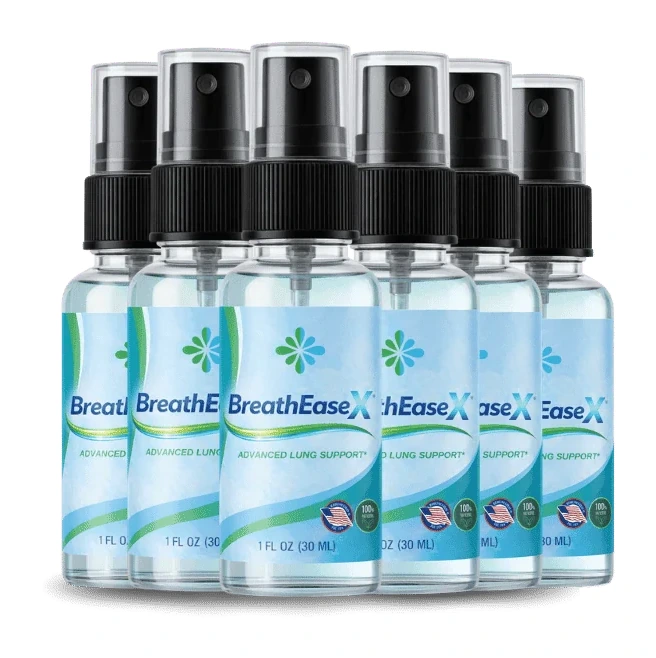
Skip the "flush" - support the system you already have
See how Breathe Ease X frames its six named botanicals as honest, everyday respiratory comfort — no detox promises, just soothing and antioxidant-rich support you can actually keep up.
Order Now