Lung Detox Myths vs Facts: What Actually Works
Do Lung Detoxes Actually Work?
Not the way the ads suggest. Your lungs already clean themselves through mucus and hair-like cilia that sweep particles out, so no pill, tea or three-day program is required. The single most powerful move is stopping the exposure — smoke, vaping, heavy pollution — and then supporting the natural process with ordinary habits.
- The myth: a cleanse can flush tar and toxins out of lung tissue.
- The fact: the mucociliary escalator does the clearing for free.
- What helps: stopping exposure, hydration, movement and clean air.
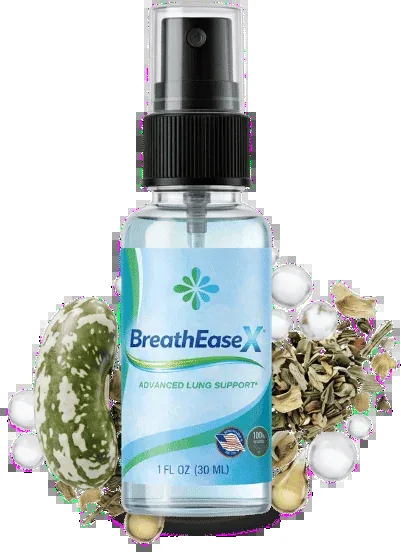
Where the “lung detox” idea comes from
Search for a way to clean your lungs and you will meet a whole category of products: detox drinks, cleanse capsules, "smoker's lung" teas, salt-cave sessions and 72-hour reset plans. The pitch is intuitive and emotionally powerful, especially for former smokers or people living with polluted air. It promises to undo damage quickly, and it puts you back in control. The trouble is that the underlying premise — that you can wash accumulated toxins out of deep lung tissue with something you swallow — does not match how the respiratory system actually works.
That does not mean everyone selling these products is acting in bad faith. Some of the ingredients are genuinely soothing, and some of the advice bundled alongside them (drink more water, move more, avoid smoke) is excellent. But the headline claim is where marketing outruns the biology, and it is worth understanding the difference so your money and effort go where they matter.
Fact: your lungs are already a self-cleaning system
The airways are lined with a remarkable clean-up mechanism often called the mucociliary escalator. A thin layer of mucus traps dust, smoke particles, pollen and microbes as you breathe them in. Beneath that mucus sit millions of microscopic hair-like structures called cilia, which beat in coordinated waves many times per second. Together they move the trapped debris steadily upward toward the throat, where it is swallowed or cleared without you ever noticing. Deeper in the lungs, specialised immune cells called macrophages engulf particles that slip past the mucus.
This system runs continuously, at no cost and with no supplement required. When people describe "cleaning" their lungs, this is the process actually doing the work. The most useful thing you can do is avoid overwhelming it and avoid the one thing that famously paralyses it: tobacco smoke, which temporarily stuns the cilia and lets debris build up.
Myth: a product can flush toxins out of your lungs
Here is the central misunderstanding. The lungs are not a tank you can drain, and nothing you drink travels into the airways to rinse them out. Fluids you consume go through your digestive tract and bloodstream, not down into lung tissue. So the mental image of a detox drink "washing away" tar simply does not correspond to any real pathway in the body.
What genuinely removes inhaled material is time plus the mucociliary escalator, coughing, and immune clearance — all of which speed up naturally once you stop adding new exposure. After quitting smoking, for example, cilia begin to recover over weeks and months, and the airways gradually clear on their own. No cleanse accelerates that in a way that has been demonstrated in good human studies. The recovery is real; the product's role in it is not.
What the evidence actually supports
If cleanses are the myth, what is the fact-based version of caring for your lungs? It is less dramatic but far more reliable. Below is how the common claims stack up against reality.
| The claim | The reality |
|---|---|
| Detox pills clear the lungs | No; cilia and immune cells clear the lungs, and stopping exposure is what helps |
| Cleanse drinks flush out toxins | No; swallowed fluids never enter lung tissue to rinse it |
| Herbal teas heal the airways | They can soothe and hydrate, which eases mucus, but they do not detox |
| Hydration supports clearance | Yes; adequate fluid keeps mucus thin enough for cilia to move it |
| Exercise supports lung function | Yes; aerobic activity improves overall respiratory fitness and clearance |
| Clean indoor air matters | Yes; reducing smoke, dust and pollution lowers the load on your airways |
The habits that genuinely help
Stop the exposure first. This is the one intervention with overwhelming evidence behind it. Quitting smoking and vaping, avoiding second-hand smoke, and limiting time in heavily polluted air do more for your lungs than any product on the market. Nothing else on this list comes close.
Stay well hydrated. Mucus is mostly water. When you are dehydrated, it thickens and becomes harder for the cilia to move, which is why congestion often feels worse when you have not been drinking enough. Aiming for roughly six to eight cups of fluid a day (more in heat or during exercise) keeps that mucus at a workable consistency. This is support for a natural process, not a cleanse.
Move your body. Regular aerobic activity — brisk walking, cycling, swimming — strengthens the muscles involved in breathing, improves how efficiently you use oxygen, and encourages deeper breaths that help mobilise mucus. You do not need to be an athlete; consistency beats intensity.
Improve the air you breathe most. Most people spend the majority of their time indoors, so indoor air quality punches above its weight. Ventilate when outdoor air is clean, avoid burning candles or incense in unventilated rooms, address damp and mould, and consider a HEPA air purifier if you live with smoke or high pollution. On high-smog days, check your local air quality index and keep windows shut.
Treat the underlying problem. Persistent mucus, cough or congestion often has a specific cause — an infection, allergies, reflux or a condition like asthma. Addressing that root cause with a clinician does far more than any generic "cleanse." If symptoms linger for weeks, that is a reason to be assessed, not to buy a detox kit.
So where do respiratory supplements fit?
Honestly, in a modest supporting role at most. Some botanicals traditionally used for the airways — mullein, marshmallow root, ginger, peppermint — can feel soothing on a scratchy throat or add to your daily fluid intake in tea form. A well-made supplement is not harmful for most healthy adults, and if it nudges you toward better hydration and self-care, that is a small positive. What it is not is a detox, a cleanse, or a shortcut that removes the need to stop smoking or improve your air. Judge these products for comfort over several weeks, keep your expectations grounded, and never treat them as a substitute for medical care.
Medical note: this article is general information, not medical advice. Ongoing cough, breathlessness, chest pain or coloured phlegm should be assessed by a healthcare professional. Speak to a clinician before starting any supplement, especially if you are pregnant, nursing, taking medication, or managing asthma or COPD.
Frequently asked questions
Do lung detox supplements really work?
No supplement can detox your lungs. Healthy lungs clean themselves through tiny hair-like cilia that sweep mucus and trapped particles upward and out. Supplements are not a substitute for that process. The single most effective step is removing the exposure, such as smoke, vaping or heavy pollution, and letting your airways recover.
Can you flush toxins out of your lungs?
Not in the way detox marketing implies. You cannot flush the lungs like a drain, and no drink washes particles out of the deep airways. Your body clears them gradually through the mucociliary escalator, coughing and immune cells. Staying hydrated and avoiding new exposure support that natural clearance far more than any cleanse.
What actually helps clean the lungs?
Stopping exposure comes first: quitting smoking and vaping, and limiting polluted air. After that, ordinary habits help the cilia do their job, including staying well hydrated, regular movement and aerobic activity, good indoor air, and treating any underlying infection or allergy. These are unglamorous but genuinely evidence-based supports.
Are lung cleanse teas effective?
Warm herbal teas can feel soothing and hydrating, which loosens mucus and eases a scratchy throat, but that is comfort rather than detoxification. No tea removes tar, particles or pollution from lung tissue. Enjoy them for warmth and fluid intake, not as a cleanse, and never as a replacement for stopping exposure.
Scientific references
Related reading
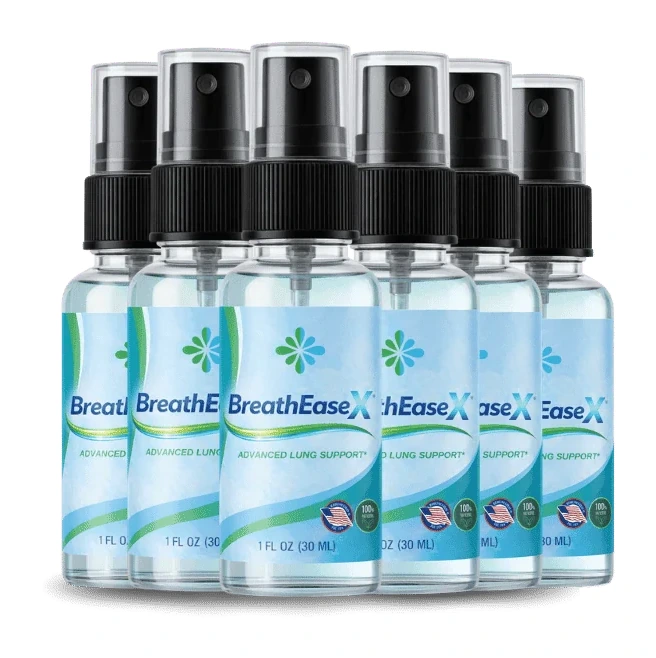
Curious what honest respiratory support looks like?
See how Breathe Ease X frames its botanicals as everyday comfort support — with the evidence, and its limits, laid out.
Order Now