How to Clear Lung Mucus Naturally: 8 Proven Ways
What Is the Best Way to Clear Lung Mucus Naturally?
The most reliable natural way to clear lung mucus is to keep it thin and moving: drink around 6 to 8 cups of water a day, breathe warm steam, and use controlled "huff" coughing to move loosened phlegm upward. Your airway's tiny cilia do most of the sweeping; your job is mainly to stay hydrated and consistent.
- Hydration first: thin mucus clears far more easily than thick, sticky mucus.
- Steam and moist air: loosen phlegm and calm an irritated airway.
- Know the red flags: weeks-long, bloody or feverish mucus needs a doctor, not a home remedy.
First, understand what mucus actually does
Before reaching for any remedy, it helps to know that mucus is not the enemy. Your airways produce a thin layer of it every single day, and that is a good thing. Mucus traps dust, smoke particles, pollen and microbes before they can travel deeper into the lungs. Sitting just beneath it are millions of microscopic hair-like structures called cilia, which beat in coordinated waves to sweep the mucus, and everything caught in it, up toward the throat where it is quietly swallowed. This "mucociliary escalator" runs around the clock without you ever noticing.
The problem is not mucus itself but mucus that has become too thick, too plentiful, or too slow to move. When you are dehydrated, fighting off a cold, or breathing dry indoor air, secretions can turn sticky and congested, and the cilia struggle to shift them. Almost everything on the list below works by fixing one of those two things: making the mucus thinner, or helping it move. None of it treats a disease, and none of it replaces medical care when you need it.
1. Drink enough water to keep mucus thin
Hydration is the single most important and most overlooked step. Mucus is mostly water, so when your fluid intake drops, your secretions thicken and become harder to clear. For many adults, a reasonable target is roughly 6 to 8 cups of fluid a day, adjusted for your size, activity level and climate. You do not need to force litre after litre; the goal is steady, comfortable hydration, not flooding yourself. A simple gauge is pale-yellow urine and rarely feeling thirsty.
Warm fluids can feel especially helpful. A mug of hot water, herbal tea or clear broth adds both moisture and gentle heat, which many people find loosens a tight, congested chest more than cold drinks do. Drinking far beyond your thirst will not thin mucus any further, so there is no benefit in overdoing it.
2. Breathe warm steam
Steam inhalation is a time-honoured comfort measure for a reason. Leaning over a bowl of hot (not scalding) water with a towel over your head, or simply sitting in a steamy bathroom, surrounds your upper airway with warm, moist air. That moisture helps loosen phlegm in the throat and larger passages and can ease the tight, stuffy feeling of congestion. Aim for five to ten minutes, and keep a safe distance so you never risk a burn.
It is worth being honest about the limits: steam does not travel deep into the small airways of the lungs, so it is best thought of as soothing the upper respiratory tract rather than "deep cleaning" the lungs. Even so, when it makes phlegm easier to cough up, it has done its job.
3. Use controlled, "huff" coughing
Forceful, hacking coughing can irritate an already sore airway and is surprisingly inefficient. Respiratory physiotherapists often teach a gentler technique called huff coughing. Take a slow, medium breath in, then exhale in short, forced bursts as if you were fogging up a mirror or a pair of glasses, keeping your throat open. This moves mucus upward in stages with far less strain. A couple of huffs followed by a single, relaxed cough is usually more effective than repeated violent coughing.
4. Practise slow, deep breathing
Simple breathing exercises help mucus move and keep the lower parts of your lungs well ventilated. Diaphragmatic (belly) breathing is a good starting point: sit comfortably, place a hand on your stomach, breathe in slowly through your nose so your belly rises, then exhale gently through pursed lips. Slow, full breaths encourage air to reach deeper areas and can, over time, make coughing more productive. These techniques are also calming, which matters because tension and shallow breathing tend to make congestion feel worse.
5. Add moisture to your air with a humidifier
Dry indoor air, common in winter with central heating and in air-conditioned spaces, dries out the airway lining and thickens mucus. A cool-mist humidifier that keeps indoor humidity in a comfortable range (roughly 40 to 50 percent) can help your secretions stay loose, especially overnight. The one non-negotiable is hygiene: clean and dry the humidifier regularly, because a neglected tank can grow mould and bacteria that you then breathe in. Fresh water daily and a weekly clean are sensible habits.
6. Eat with inflammation in mind
No single food clears mucus, but an overall anti-inflammatory eating pattern supports a comfortable airway. Think plenty of vegetables and fruit, oily fish, olive oil, and warming aromatics such as ginger, garlic and onion, which have long traditional use for congestion and some supportive research behind their anti-inflammatory compounds. Warm broths and soups double as hydration. Many people find heavily processed, very sugary foods leave them feeling more congested, so it is reasonable to notice your own patterns and adjust.
7. Keep moving with gentle exercise
Light physical activity naturally deepens your breathing and can help loosen and shift mucus. A brisk walk, gentle cycling or easy stretching gets air moving through your lungs and often prompts a more productive cough afterwards. You do not need an intense workout; consistency and comfort matter more than intensity. If any activity leaves you unusually breathless or wheezy, ease off and check in with a clinician.
8. Avoid what irritates your airways
Finally, clearing mucus is easier when you are not constantly adding to it. Tobacco smoke is the biggest culprit; it paralyses the cilia and dramatically increases mucus production. Second-hand smoke, strong fumes, heavy dust and some aerosol sprays can do similar. Reducing exposure gives your airway's own cleaning system the best chance to keep up.
A quick reference table
| Method | What it mainly does |
|---|---|
| Water & warm fluids | Thins mucus so it clears more easily |
| Steam inhalation | Loosens upper-airway phlegm; soothes irritation |
| Huff coughing | Moves loosened mucus up with less strain |
| Deep breathing | Ventilates lower lungs; aids a productive cough |
| Humidifier | Stops dry air from thickening secretions |
| Anti-inflammatory foods | General airway comfort and hydration |
Where these methods stop, and a doctor starts
Everything above is for everyday comfort. It is not a way to treat a chest infection, asthma, COPD or any other diagnosed condition. Trust your instincts and see a clinician promptly if mucus lasts more than about three weeks, is streaked with blood or looks rust-coloured, or comes alongside a fever, wheezing, breathlessness or chest pain. Sudden or rapidly worsening symptoms should never wait. Natural habits and a doctor's assessment are not rivals; they work best together.
Medical note: this article is general information, not medical advice. Speak to a healthcare professional before making changes if you are pregnant, nursing, taking medication, or managing a condition such as asthma or COPD.
Related reading
- Anti-Inflammatory Foods for Healthier Lungs
- Best Herbs for Respiratory Health in 2026
- Bromelain and Mucus Thinning: A Practical Guide
- Best Lung Health Supplements (2026 Guide)
Scientific references
Clearing Lung Mucus Naturally — FAQ
What is the fastest natural way to loosen chest mucus?
There is no instant fix, but warm steam inhalation plus a large glass of water is the quickest combination most people notice. The warmth and moisture loosen thick secretions within minutes, while hydration keeps them thin so a gentle huff cough can move them up and out. Consistency over a day matters more than any single trick.
Does drinking more water actually thin mucus?
Yes, within reason. Mucus is mostly water, so mild dehydration makes it thicker, stickier and harder to clear. Drinking to a comfortable level, often around 6 to 8 cups a day for many adults, helps keep secretions loose. Drinking far beyond thirst does not thin mucus further and can be counter-productive, so aim for steady, normal hydration.
Can steam inhalation clear phlegm from the lungs?
Steam does not reach deep into the lungs, but the warm, moist air soothes the upper airway and can loosen phlegm in the throat and larger passages, making it easier to cough up. It is a comfort measure, not a deep-cleaning treatment. Keep the water warm rather than scalding to avoid burns.
When should mucus prompt a visit to a doctor?
See a clinician if mucus lasts more than about three weeks, is bloody or rust-coloured, or comes with a fever, wheezing, breathlessness or chest pain. Sudden or worsening symptoms always warrant medical attention. Home measures are for everyday comfort, not for diagnosing or treating an infection or a lung condition.

Prefer a botanical spray in your routine?
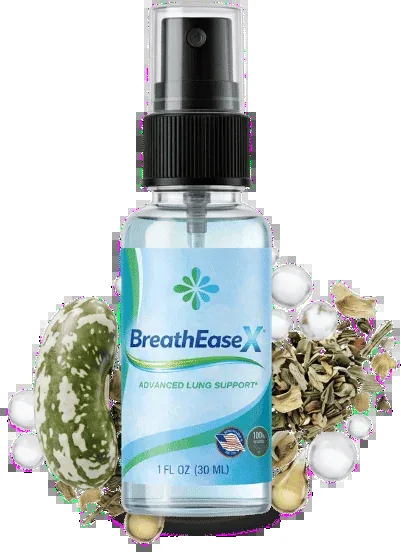
Breathe Ease X pairs mullein, cordyceps, ginger and more in one daily oral spray — an everyday-comfort option alongside good hydration and breathing habits.
Order Now