Bromelain for Mucus: How the Enzyme Thins Congestion
Quick Answer: Does Bromelain Help Thin Mucus?
Bromelain is a protein-digesting enzyme from pineapple that can help break down thick, sticky mucus so it drains more easily. The best evidence sits around short-term sinus congestion and recovery, not everyday breathing. Think of it as a few-day helper during a cold or sinus flare-up rather than a daily lung product, and always read the label and check with a clinician if you take medication.
- What it does: a proteolytic enzyme that can thin protein-rich mucus.
- Best use: short-term, during a cold or sinus flare, not indefinitely.
- Key caveat: comfort support only, and it interacts with blood thinners.
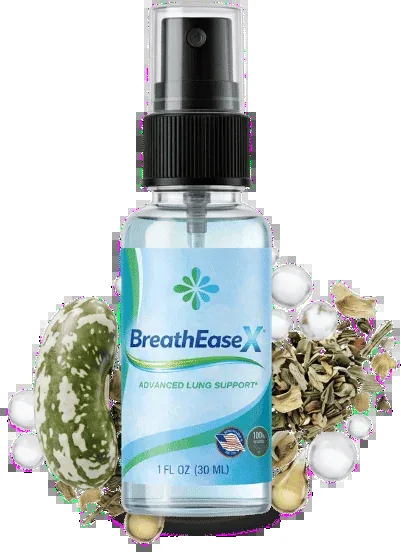
What bromelain actually is
Bromelain is not a single substance but a family of enzymes found throughout the pineapple plant, Ananas comosus. The enzymes belong to a group called proteases, or proteolytic enzymes, which means their job is to cut proteins into smaller pieces. In the pineapple, this helps the plant with growth and defence. In a supplement bottle, that same protein-cutting activity is the reason bromelain turns up in products aimed at sinus comfort, post-exercise recovery and, most relevant here, congestion.
Mucus is largely water, but the reason it becomes thick and stringy during a cold is a family of large proteins called mucins. These mucins tangle together and trap water, which is what gives congested mucus that gluey, hard-to-shift quality. Because bromelain breaks down proteins, the logic is straightforward: an enzyme that can nick those protein strands may make the whole mixture looser and easier to clear. That is the mechanism behind bromelain's reputation as a mucolytic, or mucus-thinning, agent.
It is worth being precise about language. "Thinning mucus" and "clearing an infection" are two very different things. Bromelain works on the physical consistency of secretions and on comfort. It is not an antibiotic, an antiviral or a decongestant drug, and it does not treat the underlying cause of a cold or sinus infection. Keeping that distinction in mind is the difference between honest expectations and disappointment.
Where the evidence is strongest
The most cited human research on bromelain and the airways sits around the sinuses. Several small studies and reviews have looked at bromelain as an add-on during acute sinusitis and after sinus surgery, reporting that some people experienced faster easing of nasal symptoms and swelling. These are encouraging signals, but they come with the usual caveats of small supplement trials: modest participant numbers, varied doses and preparations, and a shortage of large, high-quality confirmations.
Beyond the sinuses, bromelain has a broader research history in inflammation and swelling. It is used in some countries as an adjunct for post-surgical and sports-related swelling, and that anti-inflammatory angle is part of why it keeps appearing in respiratory-comfort products. Again, the honest reading is that the general anti-inflammatory data is more established than the specific "clears your lungs" claim you sometimes see in marketing.
So where does that leave a reader with a stuffy head and a chest full of gunk? Bromelain is a reasonable, low-risk short-term option for congestion comfort, backed by plausible biology and some clinical support, but it is not a proven cure and should never displace medical care when symptoms are severe or persistent.
Sourcing and how dosing is measured
Most commercial bromelain is extracted from the pineapple stem rather than the fruit, because the stem is enzyme-rich and would otherwise be a by-product of pineapple processing. The extract is then dried and concentrated. This is why a bromelain capsule delivers far more enzyme activity than a slice of fresh pineapple: you would have to eat an impractical amount of fruit to match a standardised dose, and cooking or canning largely destroys the enzyme anyway.
One quirk that trips people up is that bromelain is measured by activity, not just weight. You will see units such as GDU (gelatin digesting units) or FIP units on labels rather than a simple milligram figure being the whole story. Two products with the same milligram amount can have different potencies if their activity units differ, so when comparing supplements it pays to look at the activity figure, not only the milligrams. Typical study doses have ranged widely, which is another reason to follow the specific product's label rather than a number you read online.
Timing matters too. For a systemic, anti-inflammatory or mucus-thinning effect, bromelain is generally taken away from food, on a relatively empty stomach, so more of the enzyme is absorbed intact rather than being spent digesting your meal. Taken with food, it acts more as a digestive aid. If your goal is congestion comfort, between-meal dosing is the usual advice, but always defer to the label instructions on the product you actually buy.
Short-term helper, not a daily habit
The framing that serves most people best is to treat bromelain as an acute-phase tool. When a cold or sinus flare-up hits and mucus turns thick, a short course of a few days can be a sensible comfort measure alongside the basics that genuinely help: plenty of fluids, rest, steam or a warm shower, and saline rinses for the nose. Once the congestion clears, there is little reason to keep taking it, because the evidence for open-ended daily use as a respiratory product is thin.
This is different from how some blends are marketed, where bromelain is bundled into a "take it every day forever" respiratory formula. There is nothing dangerous about that for most people, but you should understand what you are paying for: the enzyme's best-supported role is situational, not perpetual. If a product's pitch leans on bromelain as a daily lung booster, treat that claim with the same scepticism you would apply to any supplement promising more than the research supports.
Safety, interactions and who should be careful
Bromelain has a good safety record for most healthy adults, which is a big part of its appeal. The most common issues are mild and digestive: nausea, loose stools or stomach discomfort, usually at higher doses. Because it comes from pineapple, anyone with a pineapple or latex allergy should be cautious, as cross-reactions are possible.
The interactions worth flagging are more important than the side effects. Bromelain can enhance the effect of blood-thinning medicines, which theoretically raises bleeding risk, and it may increase the absorption of certain antibiotics. For both reasons, it is sensible to stop bromelain before any planned surgery or dental procedure and to check with a clinician if you take prescription medication. Pregnant and nursing people, and anyone managing a chronic condition, should also get individual advice rather than self-prescribing.
Medical note: this article is general information, not medical advice. Bromelain is a comfort-support ingredient, not a treatment for any disease. If you have breathing difficulty, a high fever, chest pain, or congestion that lasts beyond about ten days, see a healthcare professional.
Frequently asked questions
Does bromelain help clear mucus?
Bromelain is a proteolytic enzyme that can break down proteins in thick mucus, which may make secretions thinner and easier to clear during congestion. The clinical evidence is limited and focused mostly on sinus recovery, so it is best viewed as short-term comfort support rather than a proven decongestant. It does not treat any respiratory disease.
Is bromelain better for short-term or daily use?
For congestion, bromelain is most sensible as short-term support during a cold or sinus flare-up, taken for a few days rather than indefinitely. There is little evidence that continuous daily use adds respiratory benefit, and long stretches raise the chance of digestive upset. When symptoms settle, most people can simply stop.
Where does bromelain come from?
Bromelain is a mixture of enzymes extracted from the pineapple plant, mainly the stem and, to a lesser degree, the fruit. Commercial supplements concentrate the stem enzymes and standardise their activity in units such as GDU or FIP. Eating fresh pineapple provides some bromelain, but far less than a standardised extract.
Are there side effects of bromelain?
Bromelain is generally well tolerated, but it can cause mild digestive upset, nausea or diarrhoea, and allergic reactions are possible in people sensitive to pineapple. Because it may increase the effect of blood thinners and some antibiotics, anyone on medication should check with a clinician first. Stop before any scheduled surgery.
Scientific references
Related reading
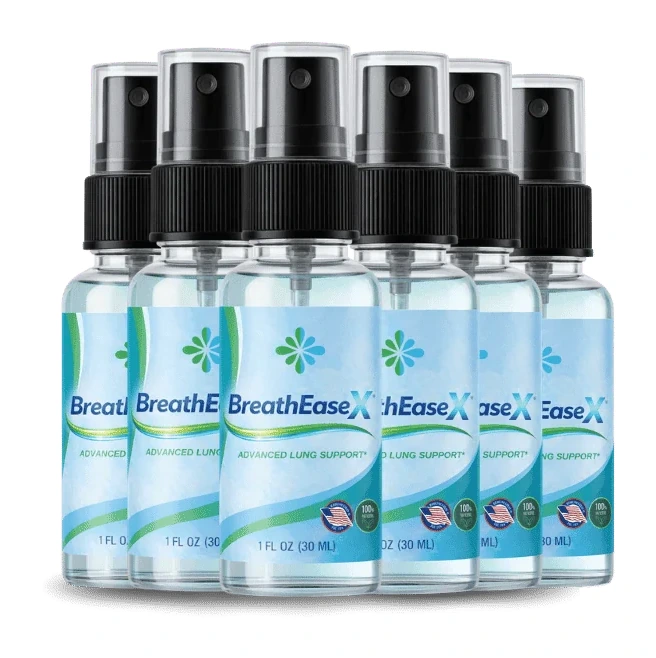
See how Breathe Ease X approaches respiratory comfort
A botanical oral spray built around mullein, cordyceps and supporting botanicals — with every ingredient and its evidence laid out.
Order Now