Vitamin D and Respiratory Wellness: The Link
Does Vitamin D Help Respiratory Health?
Adequate vitamin D supports normal immune and airway function, and low levels are consistently linked with more respiratory infections. Correcting a genuine deficiency is where the benefit is clearest; topping up when you are already sufficient does little. It is a foundational nutrient, not a cure, so aim for adequacy through sun, food and testing rather than megadoses.
- Strongest signal: fixing a deficiency lowers infection risk in those who were low.
- Sensible target: a blood level around 20–30 ng/mL for most adults.
- Best approach: sensible sun, oily fish and fortified foods first; test if unsure.
Why vitamin D keeps coming up in respiratory conversations
Vitamin D started life in the textbooks as the "bone vitamin," essential for absorbing calcium. Over the last two decades, though, researchers have found vitamin D receptors on cells throughout the body, including immune cells and cells lining the airways. That discovery sparked a wave of studies asking whether the nutrient does more than build bone — and respiratory health became one of the most active areas of investigation, especially after large surveys showed how common low vitamin D is.
The result is a genuinely interesting but frequently overstated topic. There is real science connecting vitamin D status to how the respiratory and immune systems function. There is also a lot of hype that treats it as a miracle shield. The honest position sits in between, and getting it right helps you make sensible decisions rather than chasing headlines.
What vitamin D actually does in the airways
Vitamin D is best understood as an immune modulator. Rather than simply revving the immune system up or damping it down, it helps keep responses balanced and appropriate. Immune cells use it to support the production of antimicrobial peptides — the body's own broad-spectrum defence molecules — in the lining of the airways. It also helps regulate inflammatory signalling, which matters because both too little and too much inflammation can cause problems in the respiratory tract.
Crucially, this is supportive housekeeping, not a drug-like effect. Vitamin D helps normal machinery run properly when you have enough of it. It does not treat pneumonia, asthma or any other diagnosed condition, and framing it that way is where marketing goes wrong.
The evidence, kept honest
Respiratory infections. This is the most studied link. Numerous observational studies find that people with low vitamin D catch respiratory infections more often. Pooled analyses of randomised trials have suggested that supplementation can modestly reduce the risk of acute respiratory infections, with the clearest benefit in people who were deficient to begin with and who took regular daily or weekly doses rather than occasional large boluses. The effect is real but moderate, and it is not a substitute for vaccination, hygiene or medical care.
Asthma. Among people with asthma, low vitamin D has been associated with poorer control and more flare-ups. Some trials of supplementation have reported fewer exacerbations, again mainly in those who were deficient. Results are mixed enough that vitamin D is considered a possible supportive factor, not a core asthma therapy — prescribed inhalers and a management plan remain the foundation.
The big caveat. Most of this is association, and association is not proof of cause. People who are low in vitamin D often differ in other ways — less time outdoors, more chronic illness, older age — that independently affect respiratory health. That is exactly why the benefit is clearest when a real deficiency is corrected, and why loading up when you are already sufficient adds little.
Who is most likely to be low
Deficiency is common, and some groups are at particular risk. People who live at higher latitudes get little vitamin-D-producing sunlight in winter. Those with darker skin need more sun exposure to make the same amount. Older adults synthesise it less efficiently, and people who spend most of their time indoors, cover their skin, or use sunscreen consistently (sensible for skin-cancer risk, but it does reduce vitamin D production) may also fall short. Certain conditions and medications affect absorption too. If several of these apply to you, low vitamin D is a reasonable thing to check.
Sensible ranges and testing
The way to move from guesswork to knowledge is a simple blood test that measures 25-hydroxyvitamin D. Definitions vary between organisations, but a level below about 12 ng/mL is generally considered deficient, 12 to 20 ng/mL inadequate, and roughly 20 to 30 ng/mL adequate for most people. Very high levels are neither necessary nor better. For daily intake, common guidance for adults is around 600 to 800 IU per day, with higher short-term doses sometimes used under medical supervision to correct a documented deficiency.
The key principle is that more is not automatically better. Vitamin D is fat-soluble and stored in the body, so excessive supplementation over time can push blood calcium too high and cause harm. This is one nutrient where testing genuinely beats guessing, and where a clinician's input matters if you are considering high doses.
| Source | Notes |
|---|---|
| Sunlight | Largest natural source; varies with season, latitude, skin tone and sunscreen |
| Fatty fish | Salmon, sardines, mackerel and trout are among the richest foods |
| Egg yolks | A modest but useful everyday source |
| Fortified foods | Many milks, plant milks and breakfast cereals have added vitamin D |
| Supplements | Useful in winter or documented deficiency; dose to your level, not to a maximum |
Best sources, in practice
For most people the sensible plan is layered. Get some regular daylight without burning, especially in the warmer months. Eat oily fish a couple of times a week and include eggs and fortified foods in your routine. Then, if you live somewhere with dark winters, have risk factors, or a test shows you are low, add a modest daily supplement to fill the gap. That combination reaches adequacy for the vast majority without resorting to the megadoses that some products push.
Where a respiratory supplement fits
Vitamin D belongs in the "foundations" category: unglamorous nutrients that support normal function when you are not getting enough. A respiratory comfort supplement, whether it contains vitamin D or botanicals, sits on top of that foundation, not in place of it. If you are deficient, correcting your vitamin D level is likely to matter more than any single herbal ingredient. Judge these products honestly, keep expectations modest, and remember that nothing here treats a lung disease. Persistent respiratory symptoms always warrant a proper medical assessment.
Medical note: this article is general information, not medical advice. Do not self-prescribe high-dose vitamin D. Ask a healthcare professional about testing and dosing, especially if you are pregnant, nursing, taking medication, have kidney disease, or are managing asthma or COPD.
Frequently asked questions
How does vitamin D affect the lungs?
Vitamin D helps regulate the immune system, and immune cells in the airways carry receptors for it. Adequate levels are associated with more balanced immune responses and, in some studies, a lower risk of respiratory infections. It is a supporting nutrient for normal function, not a treatment for any lung disease.
Can low vitamin D worsen breathing issues?
Observational research links low vitamin D with more frequent respiratory infections and, in people with asthma, with more flare-ups. This shows association, not proof of cause, and correcting a deficiency mainly helps those who were low to begin with. If you have breathing problems, treat vitamin D as one factor among many, not the fix.
How much vitamin D is enough?
For most adults, guidelines suggest around 600 to 800 IU per day from diet, with a blood level of roughly 20 to 30 ng/mL considered adequate. Some people need more to correct a deficiency. Because needs vary and high doses can be harmful, the reliable way to know is a simple blood test and your clinician's advice.
What are the best sources of vitamin D?
Sunlight on the skin is the largest natural source, followed by fatty fish such as salmon and sardines, egg yolks, and fortified foods like milk and cereal. Because sun exposure varies with season, skin tone and latitude, many people fall short and use a supplement in winter. Food and sensible sun come first.
Scientific references
Related reading
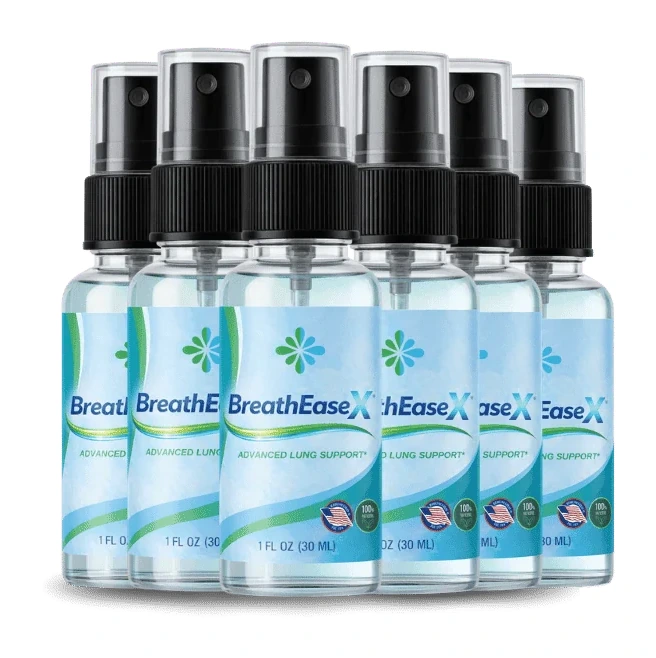
Build on solid respiratory foundations
See how Breathe Ease X positions its ingredients as everyday support — on top of the basics like nutrition, sleep and clean air.
Order Now