How to Improve Lung Capacity Naturally in 2026
How Do You Improve Lung Capacity Naturally?
To improve lung capacity naturally, train your breathing muscles with daily diaphragmatic and pursed-lip drills, raise your oxygen uptake with regular aerobic exercise, and keep mucus thin by staying well hydrated. Add lung-friendly nutrition and correct any vitamin D shortfall. Gains build over weeks of consistency, not days, so make it a routine.
- Breathe better: diaphragmatic, straw and alternate-nostril drills daily.
- Move more: aerobic exercise steadily improves oxygen uptake.
- Support it: hydration, whole-food nutrition and adequate vitamin D.
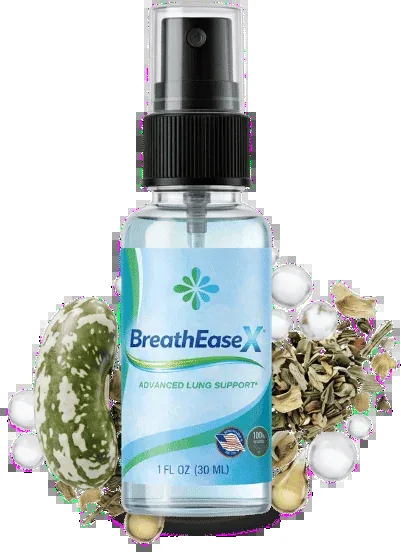
If you have ever felt winded climbing a single flight of stairs, or wished you could sing, swim or run without gasping, you have already asked the question this guide answers: how to improve lung capacity naturally. The good news is that a lot is within your control. You cannot magically grow bigger lungs, but you can teach the ones you have to work far more efficiently, and you can build the fitness that lets your body pull oxygen from each breath and put it to use. In 2026 the advice that actually holds up is refreshingly practical: breathe smarter, move more, drink enough water and eat well.
What follows is a realistic, no-hype plan. We will separate the techniques with real evidence behind them from the internet myths, walk through the breathing drills worth doing, and show where a daily respiratory routine — including where a supplement like Breathe Ease X honestly fits — sits in the bigger picture. None of this treats or cures any lung condition; it is about supporting the normal capacity you already have.
What "lung capacity" really means
People use "lung capacity" loosely, but it helps to be precise. Your total lung capacity — the maximum volume your lungs can hold — is largely fixed by your body size, age and genetics, and you cannot meaningfully increase that ceiling through effort. What you can change is how much of that capacity you actually use and how efficiently you move air in and out. That includes your tidal volume (the air in a normal breath), how completely you empty your lungs on the exhale, and the strength and coordination of the muscles that drive breathing.
Just as importantly, "getting more air" is only half the story. The end goal is oxygen reaching your muscles and organs, which depends on your cardiovascular fitness as much as your lungs. That is why the most effective natural strategy pairs breathing technique with aerobic training: one improves the mechanics of breathing, the other improves the whole delivery system. When people say they want to improve lung capacity naturally, this efficiency — not raw lung size — is almost always what they can actually influence.
How to improve lung capacity naturally with breathing exercises
Breathing exercises are the fastest-acting lever you have, because they retrain habits you can change today. Most adults are shallow chest breathers, especially when stressed, which wastes a surprising amount of usable capacity. Three drills, done for a few minutes daily, address that directly.
Diaphragmatic (belly) breathing. The diaphragm is your primary breathing muscle, and strengthening it lets you draw deeper, more efficient breaths. Lie down or sit comfortably, place one hand on your chest and one on your belly, and breathe in slowly through your nose so the lower hand rises while the upper stays still. Exhale gently through your mouth. Five to ten minutes a day builds the habit, and within a week or two normal breathing starts to feel deeper and calmer.
Pursed-lip or straw breathing. Breathe in through your nose for a count of two, then exhale slowly through pursed lips (or through a straw) for a count of four or more. Slowing the exhale keeps the airways open longer and helps you empty stale air more completely, which makes room for a fuller next breath. This is a favourite in pulmonary rehabilitation precisely because it makes breathing feel less laboured during exertion.
Alternate-nostril breathing. Borrowed from yoga, this drill has you gently close one nostril, inhale through the other, then switch. Its real value is that it forces slow, deliberate, controlled breaths and lowers the mental urge to rush air in and out. Many people find it steadies both their breathing rhythm and their stress levels, which indirectly supports better everyday breathing.
Move more: aerobic exercise raises your oxygen uptake
If breathing drills are the quick win, aerobic exercise is the long-term engine. When you do sustained activity that leaves you slightly breathless — brisk walking, jogging, cycling, swimming, rowing, dancing — you challenge the entire oxygen-delivery chain. Over weeks, your heart pumps more efficiently, your muscles build more of the machinery that uses oxygen, and your breathing during everyday tasks becomes noticeably easier. You are not enlarging the lungs; you are making the whole system so efficient that the same lungs carry you further.
The practical target most guidelines settle on is around 150 minutes of moderate aerobic activity a week, which breaks down to roughly 30 minutes on five days. If you are starting from a low base, begin with what you can sustain and add a little each week. Interval-style efforts — short bursts of harder work between easier stretches — are especially good at pushing your oxygen uptake, but only add them once a steady base is in place. Swimming deserves a special mention: the combination of rhythmic breathing against mild water resistance makes it one of the most respiratory-friendly workouts around.
Consistency beats heroics every time. Three brisk walks you actually take will do more for your breathing than an ambitious plan you abandon after a fortnight. This is the single habit with the strongest evidence behind it for functional breathing improvement.
Hydration and nutrition: the quiet multipliers
Two supporting habits make everything above work better. The first is hydration. The lining of your airways is coated in a thin layer of mucus that traps particles and keeps tissues moist; when you are dehydrated that mucus thickens and becomes harder to clear, which makes breathing feel heavier. Drinking enough water throughout the day keeps it thin and mobile. If you are dealing with congestion specifically, our guide on how to clear lung mucus naturally goes deeper into hydration, steam and expectorant strategies that complement this routine.
The second is nutrition. A diet rich in colourful vegetables, fruit, oily fish and whole grains supplies the antioxidants and healthy fats associated with better long-term respiratory function, while heavily processed food does the opposite. One nutrient stands out for its evidence base: vitamin D. Adequate vitamin D supports normal immune and airway function, and research published in journals including The Lancet Respiratory Medicine has linked low vitamin D status with more frequent respiratory problems and, in people with chronic lung conditions, more flare-ups. Correcting a genuine shortfall is where the benefit is clearest — you can read the full evidence in our breakdown of vitamin D and respiratory wellness. The honest caveat: topping up when you are already sufficient does little, so testing beats guessing.
Reality check: measurable gains in breathing efficiency and fitness show up over weeks, not days. If your breathlessness is new, worsening, or came on suddenly, that is a reason to see a doctor rather than to train harder.
Give your daily lung routine a supporting layer
Breathing drills, movement and hydration do the heavy lifting. See how Breathe Ease X positions its mullein-and-cordyceps blend as everyday respiratory comfort support on top of those basics.
See Breathe Ease X ›Daily habits that protect the capacity you build
Building capacity is only worthwhile if you protect it, and a few everyday choices matter more than any exercise. Not smoking — and avoiding secondhand smoke and vaping — is the single most important thing anyone can do for their lungs, because tobacco smoke directly damages the delicate air sacs where oxygen exchange happens. Air quality counts too: on high-pollution or wildfire-smoke days, exercising indoors and keeping windows shut protects the gains you are working for. Good posture opens the chest and lets the diaphragm move freely, whereas hunching over a screen all day quietly restricts every breath. And adequate sleep gives your respiratory muscles the recovery they need, just like any other muscle group.
None of these are glamorous, but together they form the foundation the whole plan rests on. You can do every breathing drill perfectly, but if you smoke through it, the maths never works in your favour.
| Habit | Why it helps | Realistic timeframe |
|---|---|---|
| Diaphragmatic breathing | Trains the main breathing muscle for deeper breaths | Easier within 1–2 weeks |
| Pursed-lip / straw breathing | Empties the lungs more fully on the exhale | Immediate comfort, better with practice |
| Aerobic exercise | Improves whole-body oxygen uptake and delivery | Noticeable at 4–8 weeks |
| Hydration | Keeps airway mucus thin and easy to clear | Same day |
| Vitamin D adequacy | Supports normal immune and airway function | Weeks, if you were deficient |
Where a respiratory supplement honestly fits
Supplements are the most over-promised part of this topic, so let us be blunt: no capsule or spray enlarges your lungs or replaces the work above. What a well-formulated respiratory supplement can offer is everyday comfort support — ingredients traditionally associated with clearer, easier breathing that ride on top of a solid routine, not in place of it. Breathe Ease X sits in exactly that category. It is a botanical oral spray built around mullein, cordyceps, ginger and related lung-associated herbs, marketed as daily support for breathing comfort rather than as a treatment for anything.
The sensible way to think about it is as a layer. Your foundation is not smoking, moving regularly and breathing well; your supporting nutrients are things like vitamin D; and a comfort-focused supplement is the optional top layer for people who want a consistent daily ritual around their respiratory health. If you are weighing up the whole category before deciding, our roundup of the best lung health supplements compares ingredients and evidence side by side so you can judge honestly. Keep expectations grounded: the biggest wins here are free.
Myths and objections, addressed
"Special breathing gadgets are the only way to build lung strength." Inspiratory muscle trainers can have a role, particularly in clinical rehabilitation, but you do not need to buy anything to start. Straw breathing costs nothing and delivers much of the same slow-exhale benefit. Gadgets are an optional extra, not a prerequisite.
"If I just take a lung supplement, I can skip the exercise." This is the most expensive myth of all, because it swaps the thing that works (movement and breathing practice) for the thing that only supports it. No supplement substitutes for aerobic fitness. Anything sold on the promise of effortless lung transformation is overselling.
"Deep breaths alone will fix my breathlessness." Technique helps enormously with efficiency and calm, but persistent or worsening breathlessness can signal an underlying condition that deserves proper assessment. Breathing exercises support normal function; they are not a diagnosis or a treatment. If something feels wrong, get it checked.
Medical note: this article is general information, not medical advice. If you have asthma, COPD, a heart condition, or any ongoing breathing difficulty, talk to a healthcare professional before starting new exercise or supplements, and never stop prescribed treatment in favour of natural methods.
Frequently asked questions
What is the fastest way to increase lung capacity naturally?
There is no overnight fix, but the fastest honest route combines daily diaphragmatic breathing with regular aerobic exercise that leaves you slightly breathless. Breathing drills teach your muscles to use more of each breath within days, while brisk walking, cycling or swimming improve how efficiently your body takes up and uses oxygen over a few weeks. Add good hydration and you give yourself the quickest realistic gains.
Which breathing exercises strengthen the lungs?
The three most useful are diaphragmatic (belly) breathing, which trains the main breathing muscle; pursed-lip or straw breathing, which slows the exhale and helps empty the lungs more fully; and alternate-nostril breathing, which encourages slow, controlled breaths. Practised daily, they improve breathing efficiency and comfort. They do not treat lung disease, so ongoing symptoms still need a medical assessment.
Do supplements improve lung capacity?
No supplement enlarges your lungs or replaces exercise. The clearest nutrition link is correcting a deficiency such as low vitamin D, which has been associated with more respiratory problems. Beyond that, respiratory supplements like Breathe Ease X are best viewed as everyday comfort support layered on top of breathing practice, movement and hydration, not as a way to boost raw lung capacity on their own.
How long does it take to improve lung capacity?
Expect changes over weeks, not days. Breathing technique can feel easier within one to two weeks of daily practice, while the fitness gains that improve oxygen uptake typically show up after four to eight weeks of consistent aerobic exercise. Progress is gradual and depends on your starting point, age and health, so consistency matters far more than intensity.
Scientific references
Related reading
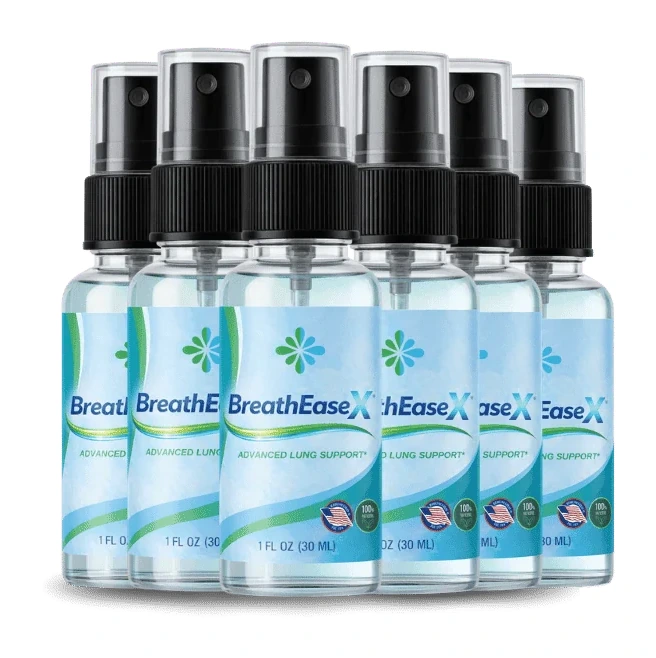
Make daily respiratory support part of the routine
You have the natural plan — breathe, move, hydrate, eat well. If you want a daily comfort layer on top, see how Breathe Ease X fits in.
Order Now