Cordyceps Benefits for Lungs & Oxygen Uptake
What Are the Benefits of Cordyceps for Your Lungs?
Cordyceps benefits for lungs centre on oxygen use and airway support: its beta-glucans and cordycepin are studied for helping the body use oxygen more efficiently, which is why endurance athletes take an interest. It is a supportive botanical, not a treatment, and quality varies hugely by strain and how it is grown.
- Main draw: studied for oxygen efficiency and endurance rather than for treating disease.
- Quality matters: strain and substrate change how much active compound you actually get.
- Best use: steady daily support over several weeks, not a one-off boost.
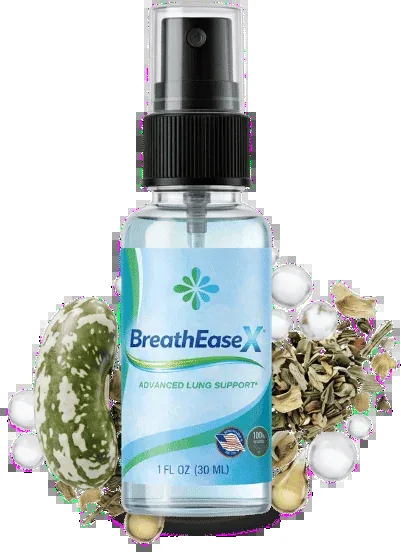
Why cordyceps benefits for lungs are having a moment
Few ingredients have jumped from obscure traditional remedy to mainstream wellness shelf as quickly as this fungus. Search interest keeps climbing, and cordyceps benefits for lungs now feature in almost every conversation about natural breathing support. There is a good reason it has landed among the top-tier, evidence-backed lung ingredients people are discussing in 2026: unlike many botanicals that are pure folklore, cordyceps has a body of research behind it, and its story revolves around something everyone with an interest in breathing cares about, which is how efficiently the body takes in and uses oxygen.
Cordyceps has been used for centuries in traditional practice, where it was prized for stamina and easier breathing. Modern science has been steadily catching up, isolating the compounds responsible and putting the claims to the test. As always, some of what gets said online is overblown, so the aim here is to lay out what is genuinely supported, what is plausible but unproven, and how to choose a product that actually contains what it promises.
What cordyceps actually does in the body
Cordyceps is not a herb in the botanical sense; it is a fungus, and its effects come mainly from two families of active compounds. The first is beta-glucans, complex polysaccharides that interact with the immune system and are thought to underpin much of the fungus's supportive activity. The second is cordycepin, a nucleoside that has drawn research attention for its effects on inflammation and cellular energy pathways. Together, these are the reason cordyceps is treated as more than a placebo in the supplement world.
The most compelling thread in the research concerns oxygen. Several studies have looked at whether cordyceps helps the body use oxygen more efficiently, including measures such as VO2 max, the gold-standard marker of aerobic capacity. The idea is that better oxygen utilisation could translate into easier breathing during exertion and improved endurance. Cordyceps has also been examined for its effects on blood flow and cellular energy production, both of which are relevant to how oxygen gets delivered and used.
It is worth being precise about the mechanism, because the marketing often is not. Cordyceps is not a bronchodilator. It does not force your airways open the way an inhaler does, and it does not treat asthma, COPD or any lung disease. What it appears to do is support the background systems involved in oxygen use and airway comfort, which is a supporting role, not a curative one.
Is cordyceps good for oxygen and breathing? The evidence
Exercise and oxygen efficiency. This is the best-studied area. A number of trials, many in older adults or trained athletes, have tested cordyceps supplementation on aerobic performance and oxygen metabolism. Results are genuinely mixed: several show modest improvements in oxygen efficiency, time to exhaustion or VO2 markers, while others find no significant effect. The most encouraging results tend to come from longer supplementation periods and from formulations with well-characterised active levels. The honest summary is that the signal is promising but not settled.
Airway and immune support. Through its beta-glucans, cordyceps is studied for immune modulation, which is relevant to how the respiratory tract copes with everyday challenges. This research is earlier and more preliminary than the exercise work, so it should be read as a reason for interest rather than proof of benefit.
The strain-and-substrate caveat. This is the single most important thing to understand, and it is covered in the next section. Because so much depends on the exact species and how it was grown, two products both labelled "cordyceps" can be worlds apart in what they actually deliver, which is part of why study results diverge.
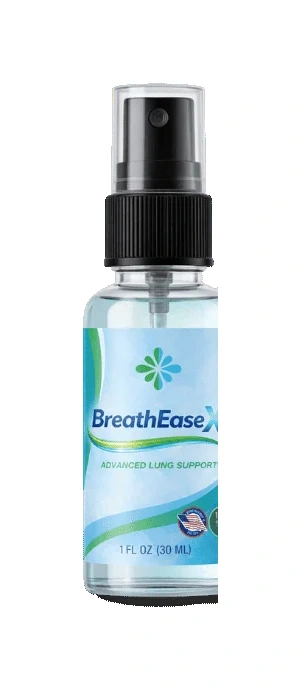
See cordyceps in a ready-made respiratory blend
Cordyceps is one of the key actives in Breathe Ease X, combined with mullein and other lung-associated botanicals in a single daily format.
Order NowStrain and substrate: why quality varies so much
If you take one practical lesson from this article, make it this one. Not all cordyceps is created equal, and the label can be misleading. There are two main types you will see. Cordyceps sinensis, historically harvested wild from high-altitude caterpillars, carries the deepest history and the most clinical data, largely through a cultivated mycelial product known as CS-4, which has been the basis of much of the human research. True wild sinensis is extraordinarily expensive and effectively unavailable at supplement scale, so most "sinensis" on shelves is the cultivated CS-4 form.
The other type is Cordyceps militaris, which can be grown commercially and, when cultivated on grain and properly analysed, is often the more practical choice for a reliable, verified level of beta-glucans and cordycepin. The catch is that some products are grown on grain but harvested with the grain still attached, which inflates the "polysaccharide" number with starch rather than true fungal actives. This is why savvy buyers look for products that specify the species, disclose beta-glucan content (not just vague "polysaccharides"), and ideally show third-party testing. A cheap, unspecified "cordyceps" powder may contain very little of what makes the fungus worthwhile.
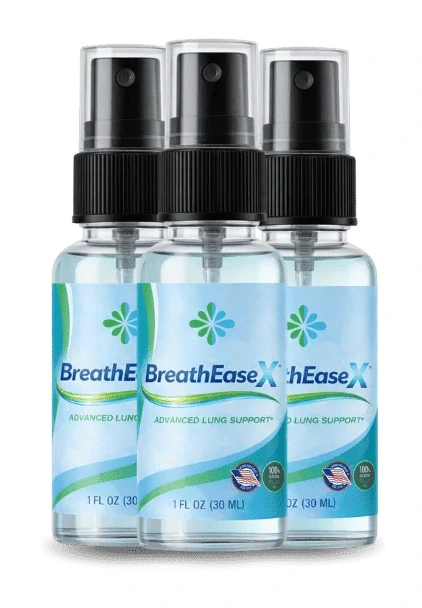
Two objections worth addressing
"Isn't cordyceps just hype for gym bros?" It is easy to be cynical when a mushroom trends on social media, but cordyceps is not a fad ingredient with nothing behind it. It has a genuine research base, particularly around oxygen use, which is more than can be said for many trending supplements. The realistic expectation is subtle support for endurance and airway comfort, not a dramatic transformation, and results build over weeks. Understood that way, the interest is justified even if the marketing sometimes overreaches.
"Will I feel it working right away?" Almost certainly not, and that is normal. Cordyceps is not a stimulant; you will not feel a jolt like caffeine. Its supportive effects, where they occur, accumulate gradually with consistent daily use over several weeks. If you expect an instant hit you will be disappointed and may quit too soon. Patience and consistency are the right frame for any adaptogenic botanical, a point we make often in our roundup of the best herbs for respiratory health.
How much cordyceps should you take?
Dosage depends heavily on the form, but common supplement ranges fall between roughly 1,000 and 3,000 mg per day of a quality extract, frequently split into two servings. Concentrated extracts standardised to a stated level of beta-glucans let you take less powder for the same active dose, whereas raw, unconcentrated powders sit at the higher end of the range. The sensible approach is to start at the lower end, follow the specific product's label, and give it at least a few weeks before judging, since the effects are cumulative. The table below summarises the practical points.
Timing is flexible. Cordyceps is not a stimulant, so it will not keep you awake, but because some people associate it with energy and endurance, taking it earlier in the day, and around workouts if you exercise, is a common preference rather than a rule. It can be taken with or without food; taking it with a meal simply tends to be gentler on a sensitive stomach. Consistency matters far more than the exact clock time, so pick a routine you will actually stick to every day. If you buy a stand-alone powder, mixing it into coffee, a smoothie or warm water is typical, though a spray or capsule blend removes the guesswork entirely.
| Factor | What to look for |
|---|---|
| Species | CS-4 (C. sinensis) for the deepest data, or grain-grown C. militaris for verified actives |
| Active disclosure | Stated beta-glucan content, not just vague "polysaccharides" |
| Typical dose | Around 1,000 to 3,000 mg/day of a quality extract, often split |
| Testing | Third-party lab verification for potency and contaminants |
| Timeframe | Give it several weeks; benefits build gradually |
Where cordyceps fits in a respiratory routine
Cordyceps is a strong candidate for a "steady support" role rather than a rescue remedy. It works best as part of a consistent routine alongside the basics of not smoking, staying active, keeping your indoor air clean and eating well. Because sourcing a well-made single-ingredient cordyceps and pairing it thoughtfully with other botanicals takes effort, many people prefer a ready-made blend. Cordyceps is a key active in Breathe Ease X, combined with mullein and other lung-associated herbs, which is convenient if you would rather not assemble a shelf of separate jars. We looked at the combination specifically in our review of the mullein and cordyceps evidence for respiratory support.
However you take it, keep expectations grounded. Cordyceps is a promising, research-supported botanical for oxygen use and everyday airway comfort, not a treatment for any diagnosed condition. If you have persistent breathlessness, a chronic cough or a known lung condition, cordyceps is not a substitute for medical care, and you should speak to a professional before adding it, particularly if you take other medication.
Medical note: this article is general information, not medical advice. Cordyceps does not diagnose, treat, cure or prevent any disease. Check with a healthcare professional before use if you take immunosuppressants, diabetes medication or blood thinners, or if you are pregnant, nursing or managing a condition such as asthma or COPD.
Frequently asked questions
What does cordyceps do for the lungs?
Cordyceps is a fungus traditionally used to support breathing and stamina, and its active compounds, chiefly beta-glucans and cordycepin, are studied for how they help the body use oxygen and modulate inflammation. In practice it is positioned as everyday support for airway comfort and endurance, not as a treatment. It does not open airways like a medicine or cure any lung condition.
Is cordyceps good for oxygen and breathing?
Cordyceps has been studied for oxygen efficiency and measures such as VO2 max, especially in exercise research, with some trials showing modest improvements in how efficiently the body uses oxygen and others showing little effect. The signal is promising but not definitive. It may support endurance and a sense of easier breathing during activity, but results vary between people and products.
How much cordyceps should you take daily?
Common supplement doses fall in the range of roughly 1,000 to 3,000 mg per day of a quality extract, often split into two servings. The right amount depends on the strain, whether it is a concentrated extract, and the level of active beta-glucans. Start at the lower end, follow the label, and give it several weeks, since effects build gradually rather than overnight.
Are there side effects of cordyceps supplements?
Cordyceps is generally well tolerated, with occasional mild digestive upset. Because it can influence the immune system and possibly blood sugar or clotting, people on immunosuppressants, diabetes medication or blood thinners, and anyone pregnant or nursing, should check with a clinician first. Quality also matters, since poorly made products can be low in actives or contaminated, so choose a tested brand.
Scientific references
Related reading
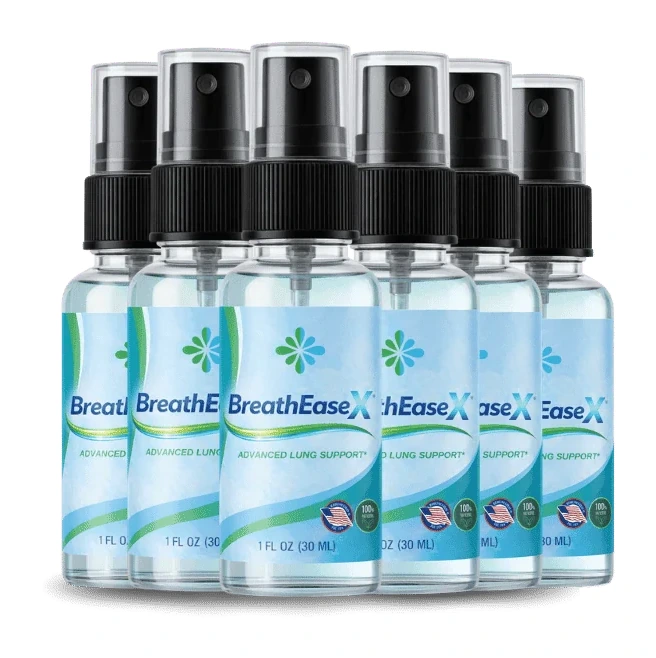
Try cordyceps in a ready-made lung blend
Skip sourcing a single-strain powder. See how Breathe Ease X pairs cordyceps with mullein and other botanicals as everyday breathing support.
Order Now