Mullein, Cordyceps and Lung Support: What the Research Actually Shows
Quick Answer: Do Mullein and Cordyceps Help Your Lungs?
Partly, and with honest caveats. Ginger and cordyceps are the two ingredients in this category with real modern research — ginger for its anti-inflammatory compounds, cordyceps for exercise and oxygen use in small trials. Mullein, marshmallow root and astragalus, by contrast, rest mostly on centuries of traditional use rather than clinical proof for the airways. None of them treats a lung disease, and none works overnight. They are everyday comfort support, best judged over several weeks.
- Strongest evidence: ginger's anti-inflammatory data; cordyceps in small exercise trials.
- Mostly traditional: mullein and marshmallow root as soothing airway herbs.
- Key caveat: support and comfort, not a treatment — see a clinician for real breathing problems.
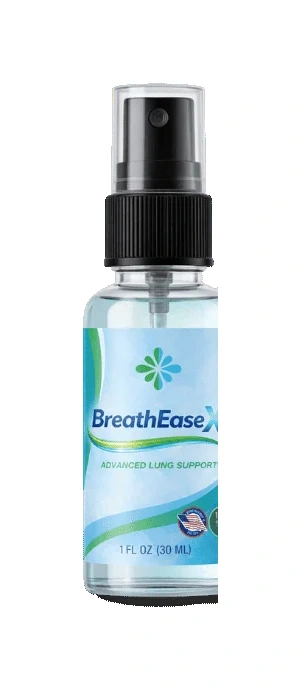
Why these herbs, and why they are so often oversold
Mullein has been used for coughs and chest complaints for generations, and marshmallow root even longer as a demulcent — a herb that forms a soothing, mucilaginous coating over an irritated throat. Both are gentle and well tolerated. The problem is not safety; it is that the marketing often implies clinical power the trials do not support. For the airways specifically, the human evidence behind mullein and marshmallow root is thin and mostly traditional.
That does not make them worthless. Traditional demulcents can genuinely feel soothing on a dry, scratchy throat, and peppermint's menthol adds an immediate cooling sensation. But "feels soothing" and "treats a lung condition" are very different claims, and only the first is honest here.
The better-studied members: ginger and cordyceps
Ginger is the standout. It is one of the most-researched culinary botanicals, and its gingerol compounds have real anti-inflammatory data behind them. That research is broad rather than lung-specific, so in a respiratory blend ginger is best understood as general support rather than a targeted airway treatment.
Cordyceps is the other. This adaptogenic fungus has been studied mainly for exercise performance and oxygen utilisation, and some small trials report modest gains in aerobic capacity. The results are mixed and the studies are small, but there is more than folklore here — which is why it appears in so many respiratory and endurance formulas.
What the evidence supports, in one table
| Ingredient | What the research supports |
|---|---|
| Ginger | Genuine anti-inflammatory data; broad rather than lung-specific |
| Cordyceps | Small trials on exercise and oxygen use; mixed but sometimes positive |
| Mullein | Traditional respiratory herb; limited human clinical data |
| Marshmallow root | Demulcent, soothing to the throat; largely traditional evidence |
| Astragalus | Traditional immune tonic; preliminary modern evidence |
Where the evidence stops
Two honest limitations are worth stating plainly. First, a finished multi-ingredient spray is not the same as any single studied dose — the ingredients can have varying evidence while the specific product has never been trialled. Always check a label's amounts against what the studies actually used. Second, none of this treats a disease. If you have wheeze, breathlessness, chest pain or a persistent cough, that is a medical situation, and a herbal spray is not the answer — a clinician is.
Medical note: this article is general information, not medical advice. Speak to a healthcare professional before starting any supplement, especially if you are pregnant, nursing, taking medication, or managing asthma or COPD.
Scientific references
Frequently asked questions
Does mullein help the lungs?
Mullein has a long folk history as a soothing respiratory herb and traditional expectorant, and it is generally well tolerated. However, high-quality human clinical evidence for a measurable lung benefit is limited. Treat it as traditional airway-comfort support, not a proven treatment.
What does cordyceps do for breathing?
Cordyceps is an adaptogenic fungus studied mainly for exercise performance and oxygen utilisation. Some small trials report modest improvements in aerobic capacity, but results are mixed and the effect on everyday breathing is not established. It is a general support ingredient, not a respiratory drug.
Is ginger good for inflammation?
Ginger is one of the best-studied culinary botanicals and its gingerol compounds have genuine anti-inflammatory research behind them. That evidence is broad rather than lung-specific, so in a respiratory formula ginger is best seen as general support.
Can a herbal spray replace an inhaler or medication?
No. An asthma inhaler or prescribed respiratory medication treats a diagnosed medical condition, and a dietary supplement is not a substitute. Botanical sprays are for everyday comfort, not for treating disease. If you have breathing difficulty, see a clinician.
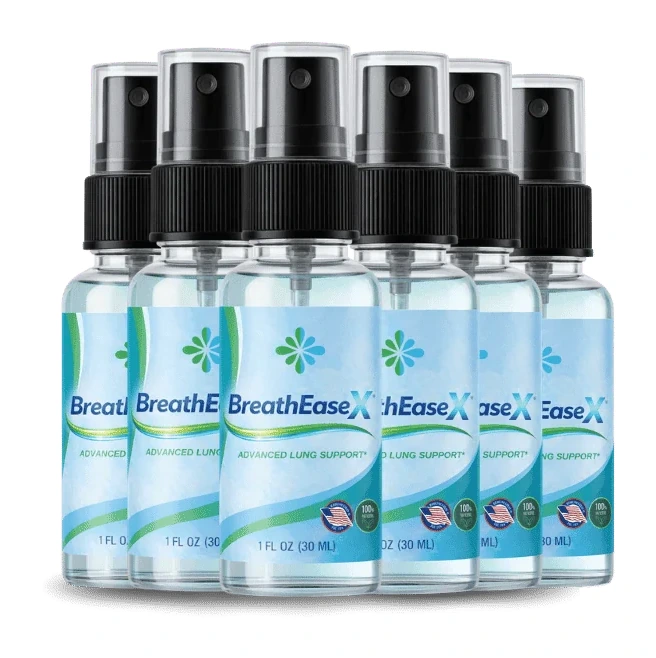
See how Breathe Ease X puts this together
Mullein, cordyceps, ginger and more in one daily oral spray — with every ingredient and its evidence laid out.
Read the Breathe Ease X Review