Seasonal Allergies: Natural Breathing Support Tips
Quick Answer: What Actually Helps Allergy-Season Breathing?
Natural breathing support during allergy season leans on a few evidence-aware habits: reduce pollen exposure, rinse the nose with saline, filter indoor air with HEPA, and consider quercetin, whose lab data on histamine is promising but not yet proven in people. Traditional herbs like mullein and marshmallow root can soothe, but human evidence is limited.
- Best supported: allergen avoidance, saline nasal rinses and HEPA filtration.
- Promising but unproven: quercetin and bromelain for histamine and airway comfort.
- Mostly traditional: mullein and marshmallow root as soothing airway herbs.
Why pollen makes breathing harder
Seasonal allergies, sometimes called hay fever or allergic rhinitis, happen when the immune system treats a harmless airborne particle — tree, grass or weed pollen, or mould spores — as a threat. Immune cells in the lining of the nose and airways release histamine and other messengers, and it is that release, not the pollen itself, that produces the familiar sneezing, runny nose, itchy eyes and congestion. When the reaction reaches the lower airways it can also cause a tight, wheezy or cough-prone feeling that makes each breath feel like more work.
The practical takeaway is important: because the trigger is an outside particle and the symptoms are an inflammatory response, most of your leverage lies in two places. First, keep fewer allergens reaching the airway lining. Second, calm the irritation that follows. Everything below is organised around those two levers, and we have tried to be honest about how strong the evidence is for each one.
Level one: keep allergens away from your airways
This is the least glamorous advice and the best supported. You cannot out-supplement a bedroom full of pollen, so exposure control comes first.
Outdoors
Pollen counts tend to peak in the morning and on dry, windy days, and drop after rain. On high-count days, keep car and house windows closed and lean on air conditioning instead. Wraparound sunglasses cut the pollen reaching your eyes, and a quick shower plus a change of clothes when you get home stops you carrying pollen into the house and onto your pillow. Drying laundry indoors during peak season avoids turning your sheets into a pollen trap.
Indoors
A HEPA air purifier in the bedroom is one of the few consumer interventions with reasonable evidence for reducing airborne particulates. Wash bedding weekly in hot water, keep indoor humidity below about fifty percent to discourage dust mites and mould, and vacuum with a HEPA-filter cleaner rather than one that simply redistributes fine dust. If you are sensitive, keeping pets out of the bedroom makes a measurable difference to overnight symptoms.
Level two: rinse, then soothe
Once allergens land on the nasal lining, physically removing them helps. Saline nasal irrigation — a rinse bottle or neti pot with sterile or previously boiled, cooled water — is cheap, drug-free and supported by a body of clinical evidence for easing nasal symptoms. It works by washing pollen, mucus and inflammatory mediators off the tissue. Use only sterile, distilled or cooled boiled water, never straight from the tap, and clean the device between uses.
Steam inhalation and staying well hydrated both keep mucus thinner and easier to clear, which many people find eases that stuffy, blocked feeling. These are comfort measures rather than cures, but they are safe and genuinely helpful for the day-to-day experience of allergy season.
The supplement layer: where the evidence gets thinner
This is the part the internet oversells, so here is the careful version.
Quercetin
Quercetin is a flavonoid found in onions, apples and capers. In laboratory and animal studies it stabilises mast cells — the immune cells that dump histamine — and reduces the release of inflammatory mediators. That is a genuinely interesting mechanism, and it is why quercetin appears in so many allergy blends. The catch is that human trials are small and inconsistent, and quercetin is poorly absorbed on its own. The honest summary: promising mechanism, unproven clinical benefit. It is reasonable everyday support, not a proven allergy treatment.
Bromelain
Bromelain, an enzyme from pineapple, is often paired with quercetin because it may improve absorption and has some anti-inflammatory data of its own. Again, the evidence is preliminary rather than definitive, and it belongs in the "supportive, worth knowing about" column rather than the "proven" one.
Mullein and marshmallow root
These are traditional demulcent and soothing herbs with centuries of folk use for coughs and irritated throats. They are gentle and well tolerated, and a demulcent can genuinely feel soothing on a dry, scratchy airway. But high-quality human trials for allergy symptoms specifically do not exist, so they are best understood as traditional comfort support, not a treatment for allergic rhinitis.
What the evidence supports, at a glance
| Approach | Strength of evidence |
|---|---|
| Allergen avoidance & HEPA filtration | Good; the foundation of any allergy plan |
| Saline nasal irrigation | Good clinical evidence for nasal symptoms |
| Quercetin / bromelain | Promising mechanism, small and mixed human trials |
| Mullein / marshmallow root | Traditional soothing use; limited human data |
| Steam & hydration | Comfort measure; safe and helpful, not curative |
A simple weekly routine for allergy season
Put together, an evidence-aware week looks like this: check the daily pollen forecast and plan outdoor time around lower-count windows; keep the bedroom a low-allergen zone with a HEPA purifier and weekly hot-water bedding washes; rinse the nose with saline once or twice a day when symptoms flare; shower off pollen before bed; and stay hydrated. If you choose to add a quercetin or botanical support product, treat it as one small layer on top of that foundation, and judge it over a few weeks rather than a single day.
Medical note: this article is general information, not medical advice. Persistent wheeze, breathlessness, chest tightness or allergies that disrupt sleep and daily life deserve a proper assessment. If you use an inhaler or prescribed allergy medication, keep using it — supplements do not replace it. Talk to a clinician before starting any supplement, especially if you are pregnant, nursing, taking medication, or managing asthma.
Frequently asked questions
What natural remedies help allergy-related breathing issues?
The best-supported steps are practical rather than herbal: reduce pollen exposure, rinse the nose with saline, run a HEPA air filter, and keep windows shut on high-pollen days. Quercetin has interesting laboratory data on histamine, and traditional herbs like mullein and marshmallow root can feel soothing, but human evidence for both is limited.
Does quercetin work for allergies?
Quercetin is a plant flavonoid that stabilises mast cells and lowers histamine release in laboratory and animal studies, which is why it appears in so many allergy formulas. Human trials are small and inconsistent, so the honest position is promising mechanism, unproven benefit. It is reasonable everyday support, not a proven allergy remedy.
Can mullein help with allergy symptoms?
Mullein has a long folk history as a soothing respiratory herb and a demulcent that coats an irritated throat, and it is generally well tolerated. High-quality human trials for allergy symptoms specifically are lacking, so treat mullein as traditional comfort support rather than a proven treatment for allergic rhinitis.
How can I reduce indoor allergens?
Use a HEPA air purifier in the bedroom, wash bedding weekly in hot water, keep humidity below fifty percent to limit dust mites and mould, vacuum with a HEPA-filter cleaner, and shower and change clothes after being outdoors so you are not carrying pollen to bed. Keep pets out of the bedroom if you are sensitive.
Scientific references
- NIH NCCIH — Seasonal allergies at a glance
- American Academy of Allergy, Asthma & Immunology — Allergies
- Cochrane Library — Saline nasal irrigation for allergic rhinitis
- NIH Office of Dietary Supplements — Flavonoids and dietary supplement fact sheets
- American Lung Association — Lung health and diseases
Related reading
Breathe easier through allergy season
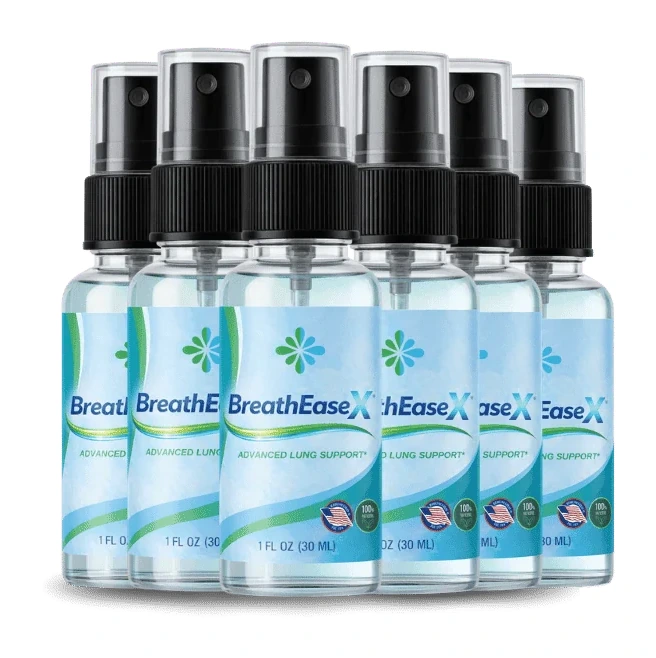
Breathe Ease X pairs quercetin-era support herbs with traditional soothing botanicals in one daily oral spray — every ingredient and its evidence laid out.
Order Now