Mullein Leaf Benefits for Lungs: What the Evidence Shows
What Are the Benefits of Mullein Leaf for the Lungs?
Mullein leaf is a traditional respiratory herb whose leaves contain saponins and soothing mucilage. In folk practice it is used to calm an irritated airway and support the natural clearing of mucus. Modern clinical evidence in humans is still limited, so it is best seen as gentle, everyday comfort support rather than a proven lung treatment.
- Saponins may act as a gentle expectorant, while mucilage coats and soothes.
- Evidence base is mostly traditional and ethnobotanical, not large human trials.
- Usually taken as a tea, tincture or oral spray; well tolerated by most adults.
What is mullein, and why is everyone searching for it?
Mullein (Verbascum thapsus) is a tall, soft, silvery-leaved plant that grows almost like a weed across roadsides and fields in much of the world. For centuries its leaves and flowers have been dried and brewed into teas or tinctures for coughs, chest tightness and a scratchy throat. In the last couple of years it has surged into the wellness mainstream, becoming one of the most-searched "lung herbs" online. Part of that is genuine interest in traditional botanicals, and part is social-media hype that sometimes overstates what a single herb can do.
Our goal here is to give you the honest middle ground: mullein is a real, well-documented traditional remedy with a plausible mechanism and a strong safety record, but the modern clinical evidence is thin. Understanding both sides lets you decide sensibly whether it belongs in your routine.
The two compounds that matter: saponins and mucilage
Mullein's traditional reputation rests mainly on two groups of compounds. The first is saponins, plant compounds that create a soap-like, foaming action. In the context of the airway, saponins are thought to act as a mild expectorant, helping to thin and loosen mucus so it is easier to clear. This is the same broad idea behind many traditional "cough herbs".
The second is mucilage, a gel-like soluble fibre that swells in water to form a slippery, soothing coating. When you drink a mullein tea, that mucilage is thought to lay a comforting film over an irritated throat, which is why the herb is classed as a demulcent. This effect is about comfort and soothing sensation rather than any deep pharmacological action on the lungs themselves. Alongside these, mullein leaves contain flavonoids and other plant compounds that laboratory studies have linked to antioxidant and anti-inflammatory activity.

Tradition versus clinical evidence
This is the crucial distinction, and it is where a lot of online content gets sloppy. There are two very different kinds of support for a herb:
Traditional and ethnobotanical use means that generations of herbalists and cultures have used mullein for respiratory complaints, and that this use is documented. That is real information and worth respecting, but it is not the same as proof of effect. Traditional use tells us a herb is broadly considered safe and has a long history; it does not tell us reliably how well it works, for whom, or at what dose.
Clinical evidence means controlled human studies, ideally randomised and placebo-controlled, that measure whether a herb actually changes a health outcome. For mullein, this kind of evidence is limited. There is laboratory and test-tube research suggesting anti-inflammatory, antioxidant and antimicrobial activity, and some animal work, but robust human trials on lung function or respiratory symptoms are scarce. So the honest summary is: promising traditional herb, plausible mechanisms, encouraging early lab data, but not yet proven in people.
How the evidence stacks up
| Type of support | Where mullein stands |
|---|---|
| Traditional / folk use | Strong — centuries of documented use for coughs and chest comfort |
| Laboratory / test-tube | Encouraging — anti-inflammatory and antimicrobial signals |
| Human clinical trials | Limited — few high-quality studies on respiratory outcomes |
| Safety record | Good — generally well tolerated when prepared correctly |
How mullein is usually taken
Mullein comes in several forms, and the right one depends on your preference:
- Tea: the classic preparation. Dried leaves or flowers are steeped in hot water for around ten to fifteen minutes. Because the raw leaves are covered in fine hairs that can tickle or irritate the throat, it is important to strain the tea through a fine mesh or coffee filter.
- Tincture: an alcohol or glycerine extract taken by the drop, which is convenient and shelf-stable.
- Oral spray or blend: mullein frequently appears in multi-herb respiratory formulas, where it is combined with herbs such as marshmallow root, cordyceps and ginger. Here the amount of mullein is set by the manufacturer and printed on the label.
On dosing, be realistic: because the human evidence is limited, there is no established "clinically proven" dose for lung benefit. Sensible practice is to follow the product label, start with a modest amount, and give any herb several weeks of consistent use before judging it. If you are using a finished blend, remember that its mullein content may differ from the amounts described in any individual study.
Safety and sensible cautions
Mullein is generally considered safe and well tolerated, which is a big part of its appeal. The most common practical issue is throat irritation from the leaf hairs in an unstrained tea, easily solved with a fine filter. Some people can react to any plant, so stop if you notice itching, rash or discomfort. As with every botanical, it is wise to check with a healthcare professional before starting if you are pregnant or nursing, are taking prescription medication, or manage a health condition. Mullein is a comfort herb, not a substitute for prescribed treatment, and it should never replace an inhaler or medication your clinician has given you.
Medical note: this article is general information, not medical advice. Mullein is not intended to diagnose, treat, cure or prevent any disease. Speak to a clinician about persistent cough, wheeze or breathlessness.
Related reading
- Mullein vs Eucalyptus for Respiratory Support
- How Long Does Mullein Take to Work?
- The Best Herbs for Respiratory Health
- Anti-Inflammatory Foods for Healthier Lungs
Scientific references
Mullein Leaf for Lungs — FAQ
What does mullein leaf do for the lungs?
Traditionally, mullein leaf is used to soothe an irritated throat and airway and to support the natural clearing of mucus. Its saponins are thought to act as a gentle expectorant while its mucilage forms a soothing coating. These are traditional, comfort-focused uses; mullein is not a proven treatment for any lung disease.
Is mullein backed by scientific studies or tradition?
Mostly tradition. Mullein has centuries of documented folk use for coughs and chest complaints, and laboratory studies hint at anti-inflammatory and antimicrobial activity. However, large, high-quality human clinical trials for respiratory benefit are lacking. Treat it as a well-established traditional herb with promising but still-limited modern evidence.
How is mullein best taken for respiratory support?
Mullein is most commonly taken as a tea made from the dried leaves, as a tincture, or as part of an herbal oral spray. If you brew the leaves, straining through a fine filter removes the tiny hairs that can irritate the throat. Follow the product label and start with a modest amount.
Are there side effects or cautions with mullein?
Mullein is generally well tolerated. The main practical issue is the fine hairs on the raw leaf, which can irritate the throat if not strained out of a tea. As with any botanical, check with a clinician if you are pregnant, nursing, taking medication or have a health condition, and stop if you notice any reaction.

See how mullein fits into a full blend
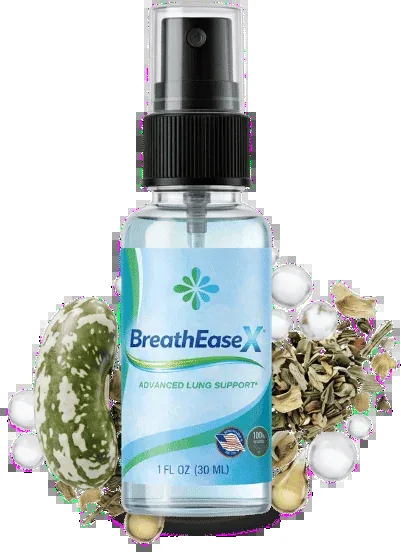
Breathe Ease X combines mullein with cordyceps, ginger and other lung-associated botanicals in one daily oral spray, with every ingredient laid out.
Order Now