Lung Probiotics: Can Gut Bacteria Help Breathing?
Can Probiotics Help Your Lungs?
Lung probiotics is shorthand for using gut bacteria to support breathing through the gut-lung axis, the two-way link between your digestive and respiratory systems. Certain Lactobacillus and Bifidobacterium strains have been studied for reducing how often people get respiratory infections. The evidence is early and promising, so treat probiotics as complementary support, not a treatment.
- The mechanism: the gut microbiome helps train the immune system that protects your airways.
- The strains: specific Lactobacillus and Bifidobacterium strains have the most respiratory research.
- The reality: evidence is early; probiotics complement fibre and diet, they do not replace them.
Why lung probiotics are suddenly a talking point
It sounds almost counterintuitive at first: what could the bacteria in your gut possibly have to do with how you breathe? Yet the idea behind lung probiotics is one of the most genuinely exciting frontiers in respiratory wellness right now, and searches for it are climbing fast. The reason is a growing pile of research into what scientists call the gut-lung axis, the surprising two-way conversation between your digestive tract and your airways. As the microbiome field has exploded, researchers have realised the gut does not just influence digestion; it helps shape immune responses across the whole body, including in the lungs.
Because this is an emerging area, it comes with a mix of real promise and easy over-selling. Some products already market themselves as "probiotics for your lungs" as though the link were settled science. It is not, yet. This guide walks through what the gut-lung axis actually is, what the studies show, which strains have the most support, and how to think about probiotics sensibly as one part of a broader respiratory routine.
What is the gut-lung axis?
The gut-lung axis is the term for the ongoing biochemical communication between the community of microbes in your intestines and the immune and inflammatory systems that operate in your respiratory tract. It works in both directions. When your gut bacteria ferment dietary fibre, they produce short-chain fatty acids such as butyrate, which enter the bloodstream and help calibrate inflammation throughout the body. A large share of the body's immune cells are also stationed in and around the gut, where the microbiome effectively helps train them to respond appropriately, neither overreacting nor underreacting. Those educated immune cells and signalling molecules then travel and influence how the airways handle challenges.
This is why a disturbed gut microbiome, from a poor diet, illness or a course of antibiotics, can ripple outward and affect immune function far from the intestines. The concept helps explain observations that have puzzled clinicians for years, such as the frequent overlap between digestive and respiratory conditions. It is a compelling model, and it reframes gut health as something with reach well beyond the stomach. The important caveat is that much of the detailed mapping is still underway, and knowing that a pathway exists is not the same as knowing exactly how to manipulate it for benefit.
Can probiotics help your lungs and breathing? The evidence
Respiratory infection frequency. This is the strongest area of evidence. Several reviews of randomised trials have found that certain probiotic strains can modestly reduce how often people catch upper respiratory infections, and in some cases shorten their duration or reduce related antibiotic use. The effects are most consistent in children and older adults, and they are moderate rather than dramatic. Importantly, the benefit is tied to specific strains at adequate doses, not to probiotics as a generic category.
Airway inflammation and immunity. Laboratory and early clinical work suggests that some strains may help modulate the inflammatory tone of the airways via the gut-lung axis, which is relevant to how comfortable everyday breathing feels. This research is genuinely preliminary and should be read as a promising direction, not an established benefit.
The honest bottom line. Probiotics do not act on lung tissue directly, and no probiotic treats asthma, COPD, pneumonia or any lung disease. What the better evidence supports is a modest role in supporting the immune defences that keep the respiratory system resilient, mainly by reducing infection frequency in susceptible groups. That is a worthwhile but limited claim, and it is a very different thing from the miracle framing some marketing implies.
Support the airway side of the equation
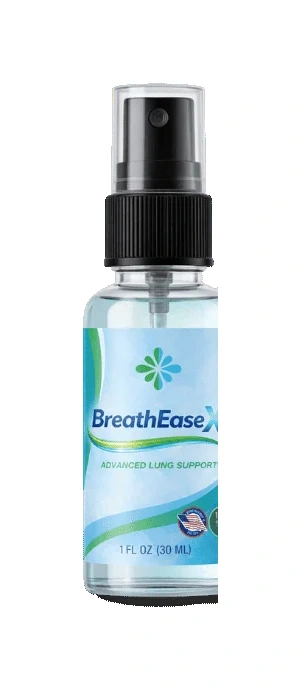
Probiotics work on the gut side of the gut-lung axis. Breathe Ease X targets airway comfort with lung-associated botanicals, so some people use both.
Order NowWhich probiotic strains are studied for respiratory health?
The single most important concept when shopping for a probiotic is that benefits are strain-specific. A "strain" is a precise genetic variant within a species, and it matters enormously, because two strains of the same species can behave completely differently in the body. This is why a probiotic that helped in one study may do nothing if you buy a different strain, even under the same species name. Most of the respiratory research has focused on particular strains within the Lactobacillus family (such as Lactobacillus rhamnosus) and the Bifidobacterium family, studied largely for their effect on the frequency of common respiratory infections.
In practical terms, that means you should look for a product that names its exact strains, usually a genus, species and an alphanumeric strain code, and states the dose in colony-forming units. Vague labels that list only "probiotic blend" or a species name without a strain are a red flag, because they give you no way to match the product to the actual research. Adequate potency through the end of shelf life, not just at the time of manufacture, is another mark of a serious brand. We apply the same "name the specifics or it does not count" standard when we assess botanical products in our roundup of the best lung health supplements.
Two myths worth clearing up
Myth: "A probiotic will fix my breathing." It will not, and expecting it to sets you up for disappointment. Even the most supportive strains offer modest, indirect benefits centred on immune resilience and infection frequency, not a change you can feel breath to breath. If you have a persistent respiratory symptom, probiotics are not the answer and a proper medical assessment is.
Myth: "More CFUs always means a better product." A sky-high colony-forming-unit count on the label looks impressive but does not automatically mean more benefit. What matters is whether the specific strains have evidence at the dose provided, and whether those bacteria actually survive to reach the gut alive. A well-chosen, well-formulated strain at a sensible dose beats a giant number attached to unstudied bacteria. The same principle applies to fibre, which feeds your existing microbes, something we cover alongside diet in our guide to anti-inflammatory foods for your lungs.
Food first: feeding the gut-lung axis
Probiotic supplements are only one lever, and arguably not the first one to pull. The foundation of a healthy gut microbiome is what you eat every day. Fibre from vegetables, fruit, legumes and whole grains is the raw material your bacteria ferment into the beneficial short-chain fatty acids that feed the gut-lung axis. Fermented foods such as yoghurt, kefir, sauerkraut and kimchi deliver live cultures alongside other nutrients. A diverse, plant-rich diet tends to produce a diverse microbiome, which is generally the healthiest kind. The table below shows how the pieces fit together.
A useful mental model is that a supplement adds a handful of specific guests to the party, whereas fibre and prebiotics feed the crowd already living there. Both matter, but the second is what sustains a resilient community over the long term. This is also why a single course of probiotics rarely produces a permanent change; stop taking them and the introduced strains largely wash out within weeks unless your diet keeps giving them, and the ecosystem generally, something to eat. If you have recently taken antibiotics, which can thin out the microbiome, this combination of returning to fibre-rich foods and, if you choose, a studied probiotic is a reasonable way to help things recover, though even then the biggest driver is your everyday plate rather than any pill.
| Approach | Role in the gut-lung axis |
|---|---|
| Dietary fibre | Feeds existing gut bacteria; raw material for short-chain fatty acids |
| Fermented foods | Provide live cultures plus other beneficial nutrients |
| Probiotic supplement | Delivers specific studied strains; benefits are strain-specific |
| Prebiotics | Specialised fibres that selectively nourish beneficial microbes |
| Overall diet diversity | Supports a diverse, resilient microbiome |
Should you take probiotics with a lung supplement?
There is no known conflict between taking a probiotic and a botanical respiratory supplement, and because they work through entirely different routes, some people choose to use both. A probiotic supports the gut side of the gut-lung axis, while a lung blend such as Breathe Ease X targets airway comfort directly with herbs like mullein and cordyceps. Neither treats disease, and neither is a substitute for the basics of a fibre-rich diet, not smoking and clean air. If you want to layer support, a sensible stack might look like: a plant-rich diet as the foundation, a well-chosen probiotic and adequate antioxidants such as those in our guide to vitamin C for lung health, and a targeted respiratory botanical on top for those who want it.
One important safety note applies. People who are immunocompromised, seriously ill, or have a central venous line should not start a probiotic without medical guidance, because introducing live organisms carries small but real risks in those situations. For most healthy adults, probiotics are well tolerated, with occasional temporary bloating or gas as the microbiome adjusts. As always, this is general information, and anyone with a diagnosed lung condition or ongoing symptoms should be guided by a healthcare professional rather than by a supplement label.
Medical note: this article is general information, not medical advice. Probiotics do not diagnose, treat, cure or prevent any disease, including lung disease. Talk to a healthcare professional before use if you are immunocompromised, seriously ill, pregnant, nursing, or managing a condition such as asthma or COPD.
Frequently asked questions
Can probiotics help your lungs and breathing?
Probiotics do not act on the lungs directly, but through the gut-lung axis a healthy gut microbiome may support the immune responses that protect the airways. Some trials of specific strains report fewer or shorter respiratory infections, especially in children and older adults. The evidence is early and modest, so probiotics are best seen as general support rather than a breathing treatment.
What is the gut-lung axis?
The gut-lung axis is the two-way communication between your digestive system and your respiratory system. Gut bacteria produce compounds such as short-chain fatty acids and help train the immune system, and those signals travel through the bloodstream and immune network to influence inflammation and defence in the airways. It is a fast-growing area of research in 2026, though much is still being mapped.
Which probiotic strains are studied for respiratory health?
Most respiratory research focuses on specific Lactobacillus and Bifidobacterium strains, such as Lactobacillus rhamnosus and Bifidobacterium species, studied mainly for reducing the frequency of common respiratory infections. Benefits are strain-specific, meaning results with one strain do not transfer to another. Look for a product that names its exact strains and doses rather than a vague blend.
Should I take probiotics with a lung supplement?
There is no known problem taking a probiotic alongside a botanical respiratory supplement, and they work in different ways, so some people use both. Probiotics support the gut side of the gut-lung axis while a lung blend targets airway comfort. Neither treats disease. If you take medication or are immunocompromised, check with a clinician before starting a probiotic.
Scientific references
Related reading

Round out your respiratory routine
Feed the gut side with fibre and probiotics, then see how Breathe Ease X supports airway comfort with lung-associated botanicals.
Order Now